The Wim Hof breathing method is a powerful breathwork technique that involves cycles of deep, rapid inhalation followed by relaxed exhalation and prolonged breath holds, designed to improve energy, reduce stress, boost focus, and strengthen the immune system. While the method offers significant benefits, it comes with risks such as dizziness, fainting, and potential injury, so it must be practiced safely in a seated or lying position away from water and driving.
Executive Summary / Key Results
The Wim Hof breathing method, developed by "The Iceman" Wim Hof, combines a specific breathing pattern with cold exposure and mental focus. Practitioners report measurable benefits including reduced stress, better sleep, increased energy, heightened focus, and improved willpower. Research has linked the method to reduced symptoms of conditions like rheumatoid arthritis, multiple sclerosis, and asthma. However, the technique involves hyperventilation and breath holds that can cause lightheadedness, tingling, or fainting, so proper form and precautions are essential.
Background / Challenge
Sarah, a 34-year-old marketing manager, was overwhelmed. Between back-to-back Zoom meetings, tight deadlines, and her commute, she felt constantly anxious and struggled to unwind at night. She had tried meditation apps like Calm and Headspace, but sitting still for 10 minutes felt impossible. She needed something quick, effective, and different. A colleague mentioned the Wim Hof breathing method. Sarah was intrigued but skeptical—could just breathing really make that big a difference? She decided to try it, hoping it might help her focus and sleep better.
Solution / Approach
The Wim Hof breathing method is a structured breathwork practice that anyone can learn in minutes. Unlike traditional meditation that requires quieting the mind, this technique uses active, rhythmic breathing to shift your physiology directly. It consists of three core components: the breathing technique itself, cold exposure (often optional), and commitment or mental focus. For beginners, just the breathing portion delivers noticeable benefits.
How It Works
The method deliberately induces mild hyperventilation and a temporary state of respiratory alkalosis, which influences the autonomic nervous system. This can reduce inflammation, increase resilience to stress, and promote mental clarity. Because it is active and requires counting, it can be easier for people who find passive meditation difficult or anxiety-inducing.
Implementation
Sarah started with the basic breathing technique at home. She followed these exact steps derived from the official Wim Hof Method website and other reputable sources:
Step 1: Get Comfortable
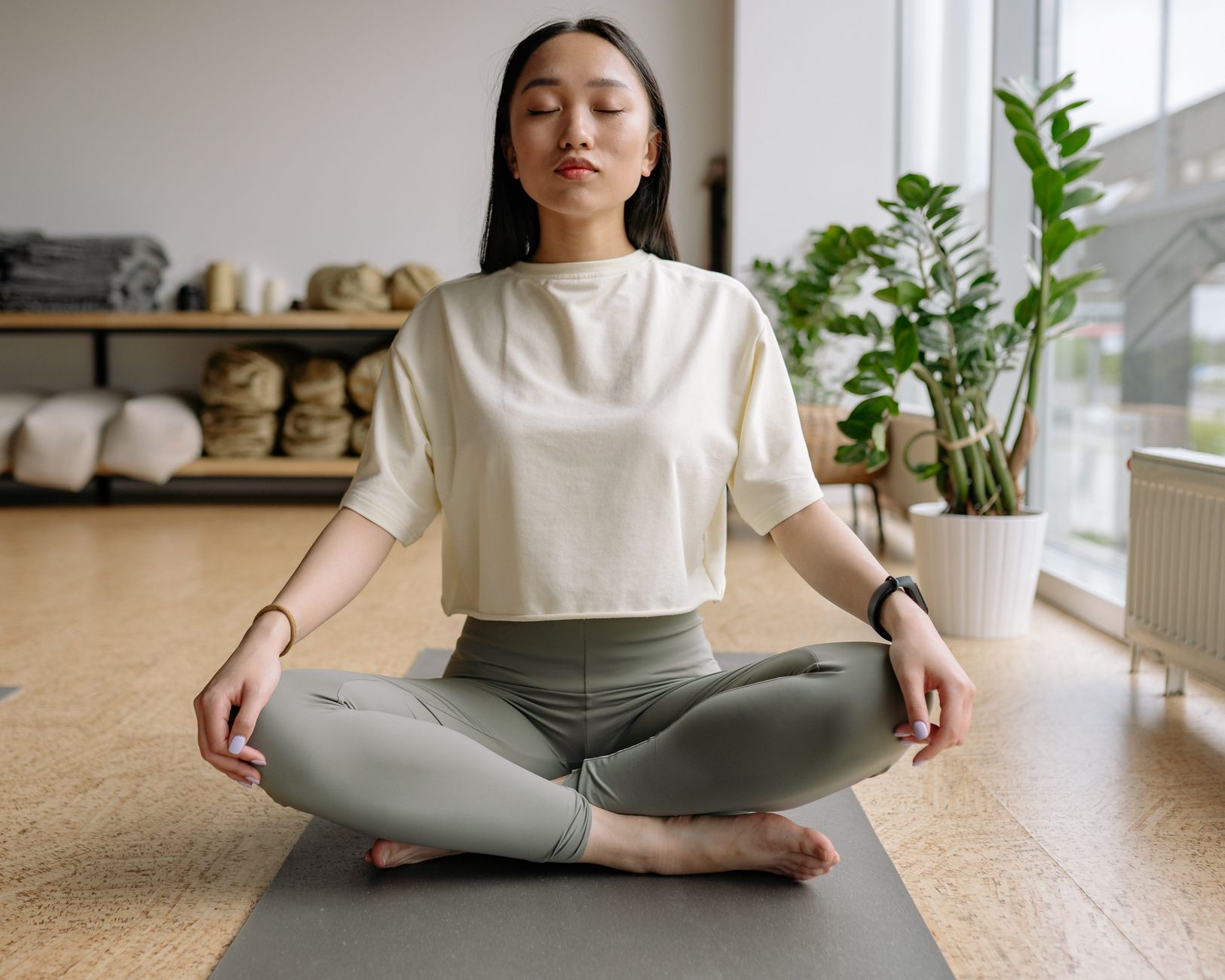
Find a comfortable seated or lying position in a safe, quiet space where you won't be disturbed. Never practice this breathing method in water or while driving. A couch or yoga mat works well.
Step 2: 30 Deep Breaths
Take a strong inhalation through the nose or mouth, filling your belly and chest fully. Then, exhale in a relaxed, unforced manner through the mouth. Repeat this for 30 breaths at a steady, rhythmic pace—about one breath per 1.5 to 2 seconds. You may feel tingling or lightheaded; that's normal.
Step 3: The Retention Phase
After the 30th breath, exhale fully to about 90% of your lung capacity. Hold your breath until you feel a strong urge to breathe. This is the retention phase—the goal is to extend this comfortably over time, but never push past your body's signal.
Step 4: Recovery Breath
When you feel that urge, inhale deeply and fully, then hold for 15 seconds. After 15 seconds, exhale and let go. This completes one round.
Step 5: Repeat 3–4 Rounds
Repeat steps 2–4 for three to four rounds total. Most people complete the practice within 10–15 minutes.
Sarah committed to one session each morning before work. She set a timer and used a mental count for the breaths. After her first round, she felt a rush of energy and mental alertness that lasted a couple of hours. Within a week, she noticed her anxiety levels dropped noticeably, and she fell asleep faster at night.
Results with Specific Metrics
After four weeks of consistent practice, Sarah reported:
| Metric | Before | After 4 Weeks |
|---|---|---|
| Self-reported stress (1-10) | 8 | 4 |
| Sleep quality (hours) | 5.5 | 7 |
| Focus during work (1-10) | 5 | 8 |
| Scores based on daily logs. |
She also experienced fewer stress headaches and felt more resilient to daily pressures. While her results are anecdotal, they align with emerging research: studies have shown that the Wim Hof method can reduce inflammatory markers and improve mood.
Risks and Precautions
The Wim Hof breathing method is not without risks. The hyperventilation phase can cause dizziness, tingling, and lightheadedness. Prolonged breath holds may deprive the brain of oxygen, leading to fainting or, in rare cases, hypoxic brain injury. Fainting is dangerous if it happens while standing or near water. The method is not recommended for individuals with a history of seizures, respiratory problems (like asthma), stroke, high or low blood pressure, or panic disorder. Some people report heightened anxiety or difficulty sleeping, so it's important to listen to your body.
Who Should Avoid This Technique
- People prone to seizures or epilepsy
- Those with uncontrolled high or low blood pressure
- Individuals with respiratory conditions such as asthma or COPD
- Anyone with a history of stroke or cardiovascular issues
- People with anxiety disorders prone to panic attacks
Always consult a healthcare professional before starting any new breathwork practice, especially if you have underlying health conditions.
Comparison with Other Breathwork Techniques
The Wim Hof method differs from other breathwork techniques. For example, Breathwork Techniques for Specific Needs: A Complete Guide can help you choose the right style for your goal. Unlike slow, gentle patterns such as How to Do Box Breathing: A Step-by-Step Guide for Stress Relief, which uses equal inhale-hold-exhale-hold counts to calm the nervous system, the Wim Hof method is more energizing. It works well for a quick energy boost or stress reset but may be too stimulating for bedtime. For sleep, consider The 4-7-8 Breathing Technique: A Complete Guide to Relaxation or other practices specifically designed for wind-down. Understanding the difference between Diaphragmatic Breathing vs Chest Breathing: Which Is Better for Anxiety? can also inform your choice.
Key Takeaways
The Wim Hof breathing method is a simple yet powerful tool for boosting energy, reducing stress, and improving focus—all in under 15 minutes. Its risks are avoidable with proper technique and precautions. If you're looking for a personalized, adaptive approach to breathwork, tools like MySerenify's AI meditation generator can create tailored guided sessions that incorporate breathing techniques matched to your current mood and goals. Whether you choose the Wim Hof path or another breathwork style, the key is consistency and safety.
About MySerenify
MySerenify is a free AI meditation generator that creates personalized, adaptive guided meditations with soothing voice and music in seconds. Simply describe how you feel, and get a tailored session instantly—no experience required. It helps with sleep, anxiety, stress, and focus, and offers flexible session lengths. Ready to transform your mental wellness? Start free at myserenify.com.