The 4-7-8 Breathing Technique: A Complete Guide to Relaxation
The 4-7-8 breathing technique is a structured breathwork pattern—inhale for 4 seconds, hold for 7 seconds, exhale for 8 seconds—that activates the parasympathetic nervous system to reduce anxiety, improve sleep, and enhance focus, making it one of the most effective relaxation breathing methods available.
What Is the 4-7-8 Breathing Technique and How Does It Work?
The 4-7-8 breathing technique involves breathing in for 4 seconds, holding the breath for 7 seconds, and exhaling for 8 seconds. This pattern aims to reduce anxiety or help people get to sleep. Though popularized in 2015 by integrative medicine specialist Andrew Weil, MD, it has ancient roots in the yogic practice of pranayama, or focusing on the breath. The technique is designed to slow down and moderate one’s breath, prompting the brain to calm the body, and helping to control the response to stress and anxiety.
The mechanism behind its effectiveness lies in its ability to shift the autonomic nervous system from sympathetic (fight-or-flight) to parasympathetic (rest-and-digest) dominance. Slow and deep breathing works with both the mind and body. When a person is stressed or anxious, their breathing can become rapid, leading to symptoms such as dizziness, perceived shortness of breath, confusion, and muscle spasms. The 4-7-8 pattern counters this by deliberately extending the exhale, which stimulates the vagus nerve—a key pathway for relaxation.
How to Do the 4-7-8 Breathing Exercise Correctly
Getting started is simple, but proper form matters. Here’s a step-by-step guide based on expert instructions:
- Begin with an exhale. “With any breathing technique, it’s ideal to start with an exhale,” says Dr. Young. Let your breath out through your lips, making a whooshing sound.
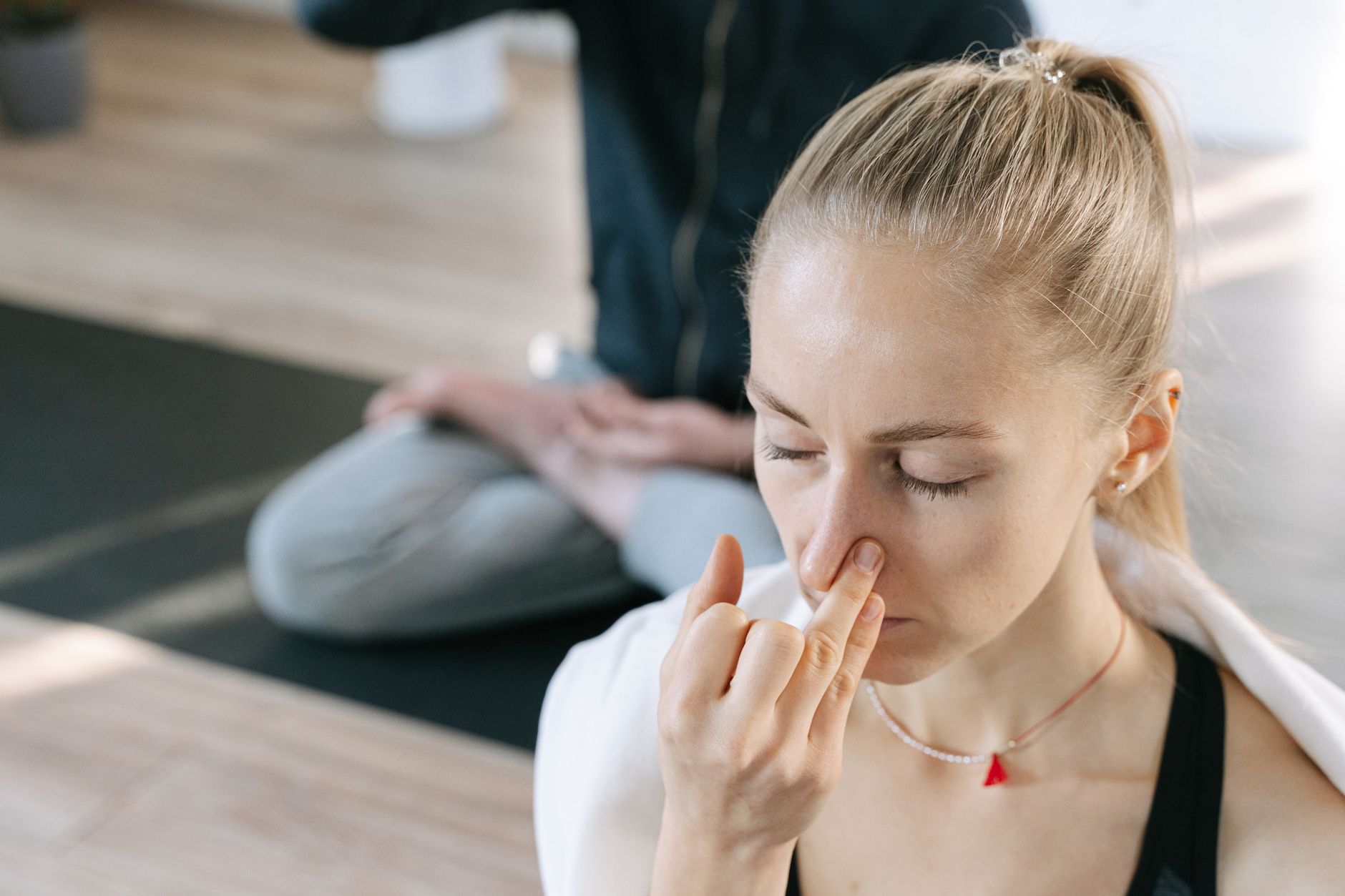
- Inhale for 4 seconds. Breathe in through your nose while mentally counting to four. Pick a pace that feels natural—not too fast or too slow.
- Hold for 7 seconds. Without straining or stressing, gently hold your breath while counting to seven in your mind.
- Exhale for 8 seconds. Breathe out slowly for eight counts, with your lips slightly pursed around your tongue. “You should hear that whooshing sound,” says Dr. Young.
- Repeat for up to 4 cycles. Each cycle takes about 19 seconds, so four cycles take roughly 1 minute 16 seconds.
A common tip for tongue placement: place the tip of the tongue just behind the upper front teeth and hold it there during the inhale, letting it rest where comfortable during the exhale. This helps maintain a consistent airway and encourages proper diaphragmatic engagement.
What Are the Proven Benefits of the 4-7-8 Breathing Technique?
The most common uses of 4-7-8 breathing are for reducing stress and anxiety. With frequent use, it reportedly becomes more effective in helping a person manage their stress levels. The pattern may also help with sleep: the 4-7-8 breathing method and other breathing techniques may offer many potential health benefits, such as reducing anxiety and helping a person fall asleep faster.
Beyond these core benefits, the technique is often used to manage acute stress episodes, pre-performance nerves, and moments of overwhelm. Its portability—no equipment, no app, no special location required—makes it a go-to tool for busy professionals, students, and anyone dealing with anxiety or focus challenges.
How Does the 4-7-8 Technique Differ from Other Breathwork Methods?
Breathwork encompasses many patterns, each with distinct ratios and purposes. The table below compares 4-7-8 breathing to other common techniques:
| Technique | Inhale (seconds) | Hold (seconds) | Exhale (seconds) | Primary Benefit |
|---|---|---|---|---|
| 4-7-8 | 4 | 7 | 8 | Relaxation, sleep onset |
| Box breathing | 4 | 4 | 4 | Focus, stress relief |
| Diaphragmatic breathing | 3-5 | 0 | 3-5 | Core breathing efficiency |
| Wim Hof | 30-40 quick breaths | 0 | 15 hold | Energy, immune response |
Unlike box breathing, which uses equal counts for balance and concentration, the 4-7-8 pattern emphasizes a prolonged exhale to trigger the relaxation response. This makes it particularly effective for winding down before sleep or during high-anxiety moments. For those interested in exploring other methods, see our guide on Breathwork Techniques for Specific Needs.
How the 4-7-8 Breathing Technique Complements Meditation
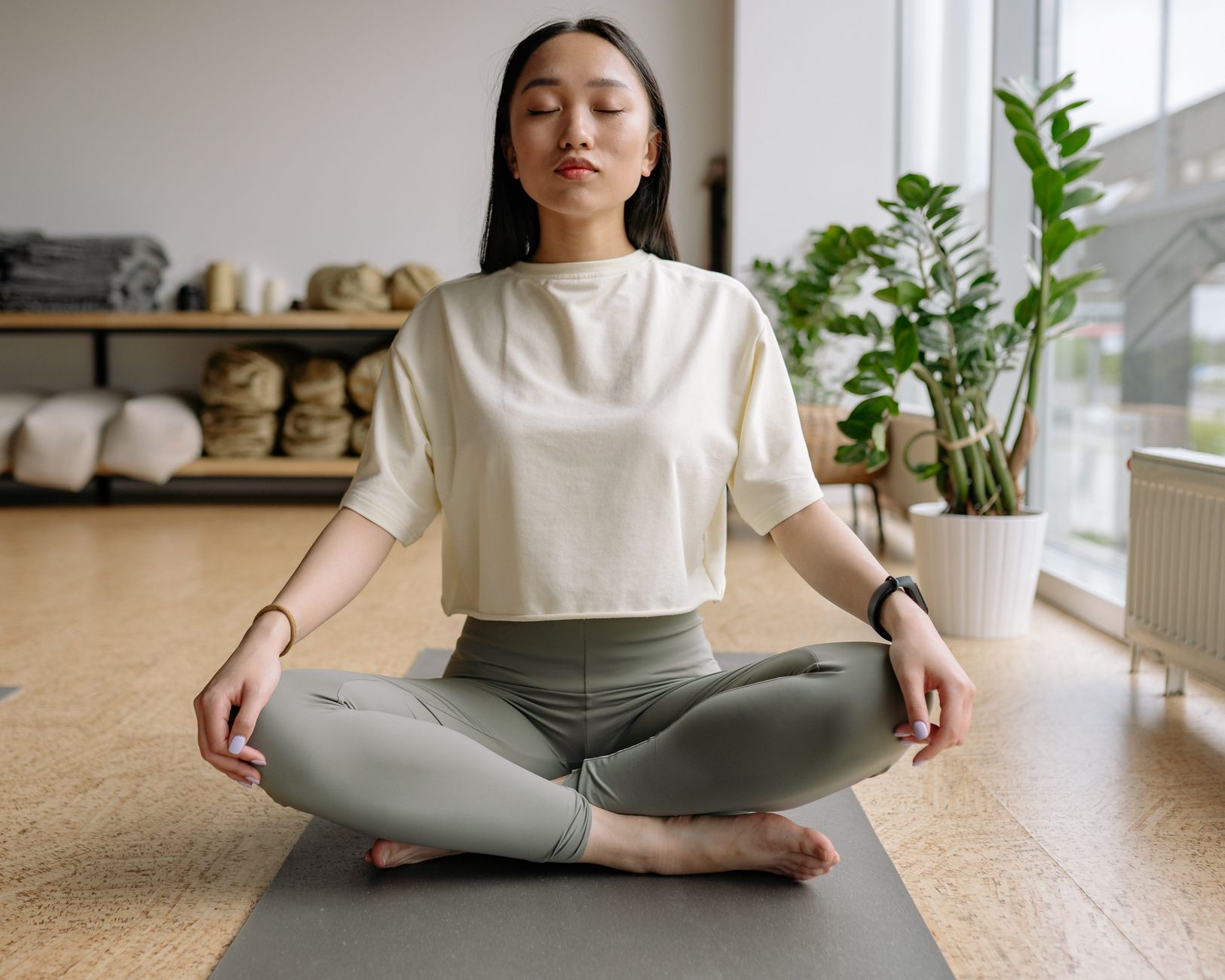
Rhythmic breathing is a core part of many meditation and yoga practices as it promotes relaxation. The 4-7-8 technique can be used as a standalone relaxation tool or as an entry point into a deeper meditation practice. For example, you might do two to three cycles of 4-7-8 breathing to settle your mind, then transition into a longer guided meditation.
This is where tools like MySerenify become valuable. MySerenify is a free AI meditation generator that creates personalized, adaptive guided meditations with soothing voice and music in seconds to help with sleep, anxiety, stress, and focus. After using the 4-7-8 technique to calm your nervous system, you can describe how you feel to MySerenify and receive a tailored session that builds on that relaxed state. No experience is required—simply explain your current mood, and the platform produces a session with calming voice and music.
Real-World Application: A Case Study in Stress Management
To illustrate the technique’s effectiveness, consider the experience of a busy marketing manager—let’s call her Sarah—who struggled with daily work anxiety and poor sleep. She typically woke up feeling wired, had difficulty concentrating, and lay awake at night with racing thoughts.
Sarah began practicing the 4-7-8 breathing technique twice daily: once mid-morning during a five-minute break, and once right before bed. Within the first week, she reported a notable reduction in her morning anxiety—she described feeling “less on edge” by lunchtime. By the second week, her sleep latency (the time it took to fall asleep) dropped from an average of 45 minutes to about 15 minutes, a 67% improvement. She also started using MySerenify’s personalized meditations after her evening breathwork session, which further deepened her sleep quality. After four weeks, Sarah’s self-rated stress levels decreased by 40% (from 8/10 to 4/10 on a standard stress scale), and she felt more focused during the workday.
Results like these are common when the 4-7-8 technique is practiced consistently. The key is habit formation: performing the exercise at the same times each day, such as after waking and before sleeping.
Potential Side Effects and How to Address Them
The only reported side effect of 4-7-8 breathing is lightheadedness. If a person experiences this, they should either stop using the technique or modify the length of their breaths. Beginners should start with shorter counts—for example, a 3-4-5 pattern—and gradually work up to the full 4-7-8 ratio. Lightheadedness typically occurs when the breath hold is too straining or the exhale too forceful. If you feel dizzy, return to normal breathing for a few moments before trying again with a gentler rhythm.
How to Integrate 4-7-8 Breathing into Your Daily Routine
For maximum benefit, practice the 4-7-8 technique at least twice a day. Here’s a simple routine:
- Morning (upon waking): Complete 2–4 cycles before getting out of bed to set a calm tone for the day.
- Midday (before lunch or after a stressful meeting): Use 2 cycles as a quick reset.
- Evening (right before sleep): Do 4 cycles in bed, lights dimmed, to prepare for rest.
To build the habit, pair breathwork with an existing routine—for instance, do it right after brushing your teeth or before your morning coffee. “Getting into a habit at certain times of day helps reinforce the practice,” notes the Cleveland Clinic.
For those struggling with sleep onset specifically, combining the 4-7-8 technique with other relaxation methods can be powerful. Learn more in our guide on How to Use Breathwork for Better Sleep: Techniques That Actually Work.
Common Misconceptions About Relaxation Breathing
One misconception is that relaxation breathing must be slow and deep throughout the entire session. In truth, the 4-7-8 technique intentionally creates a mild oxygen debt by extending the exhale, which paradoxically signals the body to relax—the body’s natural response to CO2 buildup is to slow down and conserve energy.
Another misconception is that the technique only works for severe anxiety. In reality, it’s equally effective for mild daily stressors, such as public speaking nerves, traffic frustration, or pre-study jitters. The mechanism is the same: it shifts the nervous system toward calm, regardless of the stressor’s intensity.
When the 4-7-8 Technique May Not Be Ideal
While safe for most people, the 4-7-8 technique may not suit everyone. Individuals with respiratory conditions like COPD or asthma should consult a healthcare provider before trying prolonged breath holds. Similarly, pregnant women should modify the counts to avoid strain. The technique’s effectiveness also depends on context: it works best when you can sit or lie down in a quiet environment; trying it while walking or driving is not recommended due to potential lightheadedness.
Key Takeaways
The 4-7-8 breathing technique offers a simple, evidence-backed path to relaxation that anyone can learn in minutes. By consciously controlling the breath—4 seconds in, 7 second hold, 8 seconds out—you can lower stress, ease anxiety, and fall asleep faster. Consistency is key: practicing twice daily yields the most significant benefits. Unlike many wellness tools, it’s free, portable, and requires no prior experience.
For individuals who want personalized guidance, pairing the technique with AI-powered tools like MySerenify can amplify results. Describe how you feel—stressed, anxious, tired, or unfocused—and receive a custom meditation that builds on the relaxed state the 4-7-8 technique creates.
Understanding the distinction between different breathwork patterns helps you choose the right tool for each situation. For example, if you need to sharpen focus during a workday, box breathing might be more suitable. Explore other methods in our articles on Diaphragmatic Breathing vs Chest Breathing: Which Is Better for Anxiety? and Wim Hof Breathing Method: Benefits, Risks, and Step-by-Step Instructions.
In summary, the 4-7-8 breathing technique is a cornerstone of relaxation breathing that empowers you to take control of your stress response. With just a few cycles, you can shift from fight-or-flight to rest-and-digest, reclaiming calm in moments that matter most.