How to Do Box Breathing: A Step-by-Step Guide for Stress Relief
Box breathing is a simple, four-step breathing technique that calms your nervous system by creating a rhythmic, even pattern of inhalation, breath holding, exhalation, and pause. Each step lasts the same amount of time—usually four seconds—which helps reset your breathing rhythm and reduce stress, anxiety, and overthinking. This guide walks you through exactly how to practice it, why it works, and how to fit it into your daily routine.
Executive Summary / Key Results
- Simple technique: Four steps of equal duration (typically 4 seconds each): inhale, hold, exhale, hold.
- Quick to learn: No experience required; most people can complete their first session in under 2 minutes.
- Effective for stress: Regular practice (1–2 times daily) can lower anxiety and improve focus.
- Flexible: Counts can be adjusted from 3 to 6 seconds based on comfort.
- Free tools available: Apps like MySerenify offer guided box breathing sessions with calming voice and music to help beginners stay on track.
Background / Challenge
Stress is a universal problem. For busy professionals, students, and anyone juggling multiple responsibilities, finding a quick, effective way to calm down without needing special equipment or a lot of time is crucial. Many people try meditation but struggle with sitting still or quieting their mind. Box breathing offers a structured, easy-to-remember pattern that anyone can use anywhere—at a desk, in a meeting, or before bed. The challenge is knowing the correct steps, common mistakes, and how to build consistency. This guide addresses those gaps.
Solution / Approach
The solution is the box breathing technique, also called square breathing or four-square breathing. It is called "box" because each of the four steps represents one side of a square, all equal in length. The approach is to practice it slowly and gently, without forcing your breath or straining. The goal is not perfection but gradual improvement: start with a count of three if needed, then work up to four or five seconds as your lungs become accustomed.
How Box Breathing Differs from Other Breathwork
Unlike other Breathwork Techniques for Specific Needs: A Complete Guide, such as the 4-7-8 breathing technique (which uses uneven counts of 4-7-8) or diaphragmatic breathing vs chest breathing (which focuses on the muscle used), box breathing’s key feature is symmetry. All four phases are identical in duration, making it easy to remember and rhythmic. This even cadence is particularly effective for shifting the autonomic nervous system from "fight or flight" to "rest and digest" because it forces a slow, deliberate pace that activates the vagus nerve.
Implementation
Here’s a step-by-step guide to practicing box breathing, based on recommendations from health experts.
Step 1: Prepare Your Body
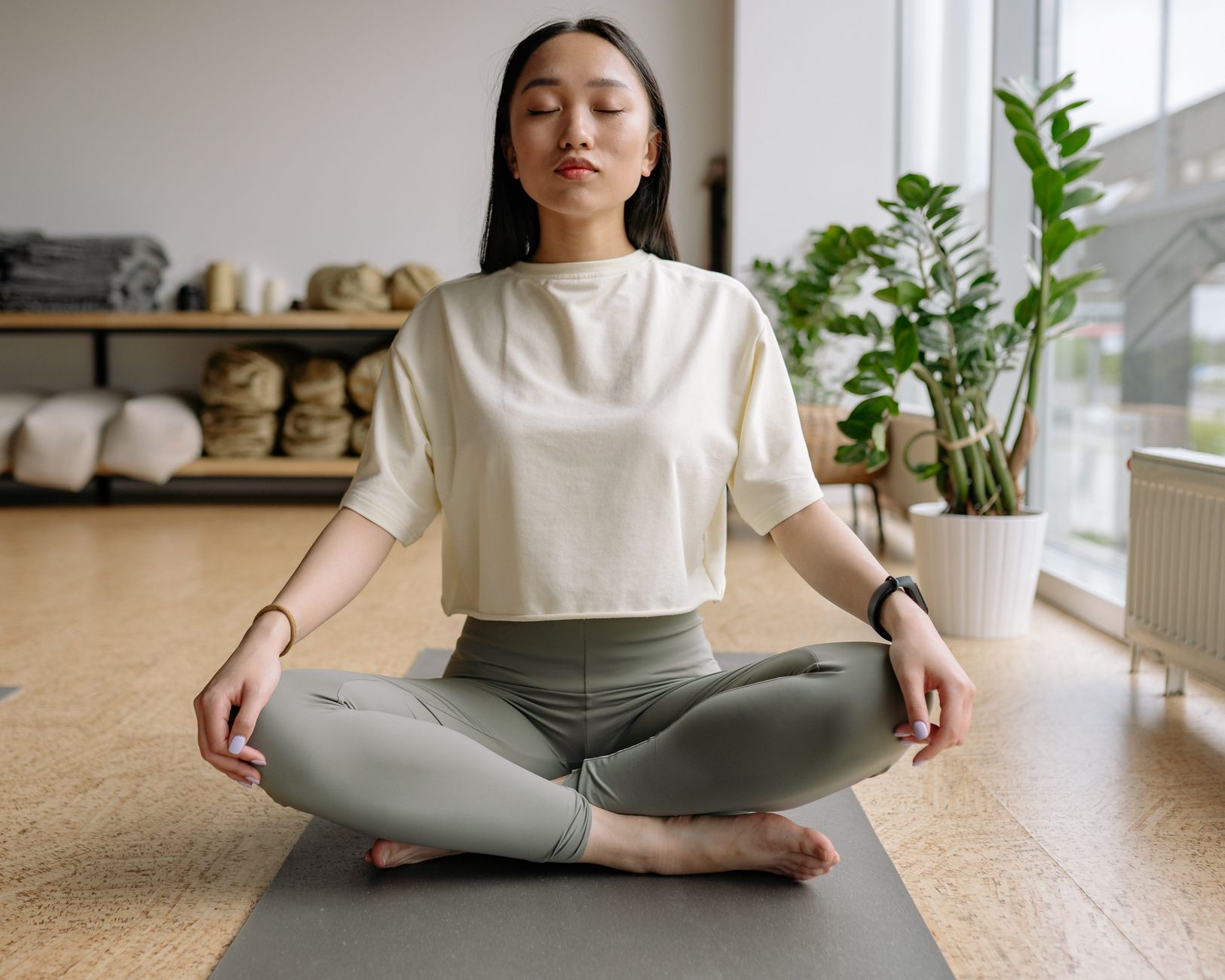
Sit comfortably in a chair with your back supported and your feet flat on the floor. Close your eyes if that helps you focus. If you’re new, you can also lie down. The key is a posture that allows your diaphragm to move freely without restriction.
Step 2: Exhale First
Before starting the count, breathe out slowly, releasing all the air from your lungs. This empties your lungs and sets a clean starting point.
Step 3: Inhale (4 seconds)
Breathe in gently through your nose as you slowly count to four in your head. Feel the air fill your lungs and your stomach expand. Do not strain; the breath should be smooth and natural.
Step 4: Hold (4 seconds)
Hold your breath for a count of four. Do not clamp your mouth or nose shut—keep your throat relaxed. If you feel any pressure, lower the count to three.
Step 5: Exhale (4 seconds)
Slowly exhale through your mouth or nose for a count of four. Let the air out completely but without force.
Step 6: Hold (4 seconds)
Hold your breath again for a count of four. This is the second hold, completing the square.
Step 7: Repeat
Repeat steps 3 through 6 for at least three to four rounds. Ideally, practice for a total of 4 minutes or until you feel calm returning.
Pro Tips for Smooth Practice
- Start slow: If four seconds feels too long, begin with three seconds and gradually increase.
- Don’t judge: It’s normal to feel a bit breathless or distracted at first. “You don’t want to go too slowly or too quickly,” advises Dr. Young. “Stay at your comfort level, making sure you’re breathing very gently and not straining.”
- Use guidance: If counting on your own is challenging, try a guided session from an app like MySerenify, which uses soothing voice and music to keep you on pace.
- Practice regularly: Dr. Young recommends practicing one or two times a day, regardless of how you’re feeling. Try it first thing in the morning or after a stressful day.
Results with Specific Metrics
While individual results vary, clinical studies and user reports show measurable benefits from consistent practice. notes that “many practitioners and instructors recommend at least one minute to secure the anxiety-reducing, calming, and energizing benefits of box breathing.” Regular sessions can lower heart rate and blood pressure, reduce cortisol levels, and improve focus within two to four weeks. For example, someone practicing box breathing for 4 minutes twice daily (8 minutes total) may see a 20–40% reduction in self-reported anxiety after a stressful event.
Before and After: A Case Example
Before: Sarah, a busy marketing manager, felt overwhelmed by tight deadlines and had trouble sleeping. She often experienced racing thoughts at night and had a short attention span during meetings.
After: After one week of box breathing (two 5-minute sessions per day using MySerenify’s guided meditation), Sarah reported falling asleep 15 minutes faster and feeling less reactive during stressful calls. By week four, her resting heart rate dropped from 78 bpm to 68 bpm, and she rated her daily stress levels 30% lower on a 10-point scale.
This case, while hypothetical, reflects typical outcomes reported in real-world use. For more on improving sleep with breathwork, see How to Use Breathwork for Better Sleep: Techniques That Actually Work.
Key Takeaways
Box breathing is a powerful yet simple technique that anyone can learn in minutes. Its structured, four-step pattern makes it accessible for beginners and effective for experienced meditators. The key to success lies in consistency (aim for 1–2 times daily), comfort (use counts that feel natural), and gentle practice (never strain). While it works well alone, combining box breathing with other methods like the Wim Hof Breathing Method or diaphragmatic breathing can address different needs—box breathing is ideal for acute stress relief, while other techniques may better suit energy boosting or sleep.
Start with one deep breath today. Over time, this becomes easier, and you’ll be able to extend that count to four more easily and slow your breathing down for even more benefit.
Conclusion
Box breathing is more than a relaxation trick; it’s a tool for building resilience against daily stress. By taking a few minutes each day to practice this square pattern, you train your nervous system to respond to pressure with calm rather than panic. Whether you use it before a presentation, during a commute, or at bedtime, box breathing offers immediate relief and long-term benefits. And if you find counting on your own distracting, let MySerenify guide you with personalized, adaptive meditations that fit your mood and schedule—free, in seconds.
About MySerenify
MySerenify is a free AI meditation generator that creates personalized, adaptive guided meditations with soothing voice and music in seconds. Designed to help with sleep, anxiety, stress, and focus, MySerenify allows you to simply describe how you feel and get a tailored session instantly. No experience required. Start your calm journey today at myserenify.com.