Breathwork for High Blood Pressure: Can Deep Breathing Lower BP Naturally?
Yes, regular slow and deep breathing exercises can significantly lower high blood pressure. Research shows that practicing voluntary slow breathing—fewer than 10 breaths per minute—for as little as 15 minutes daily can reduce systolic blood pressure (the top number) by up to 10 points. A 2021 systematic review and meta-analysis of 13 studies found that slow breathing exercises lowered systolic blood pressure by an average of 7.68 mmHg and diastolic blood pressure by 4.02 mmHg. The effects are well-documented, but consistency and proper technique are key.
Executive Summary / Key Results
Breathwork is not a replacement for medication, but it's a powerful, zero-cost complementary tool for managing hypertension. In one major study—the 2021 meta-analysis published in the Journal of the American Heart Association—participants who practiced inspiratory muscle strength training (IMST) for just 5 minutes a day (30 breaths, six days per week) saw their systolic blood pressure drop by an average of 9 points within six weeks. Another systematic review of 13 clinical trials reported an average reduction of 7.68 mmHg in systolic and 4.02 mmHg in diastolic blood pressure, plus a significant decrease in heart rate and improved autonomic nervous system balance. These numbers are comparable to some blood pressure medications, though breathwork works best when combined with other healthy habits.
Key metrics at a glance:
| Metric | Average Reduction | Source |
|---|---|---|
| Systolic blood pressure | 7.68 mmHg | |
| Diastolic blood pressure | 4.02 mmHg | |
| Heart rate | 1.15 bpm | |
| Systolic BP (IMST, 6 weeks) | 9 mmHg | |
| Systolic BP (15 min/day) | up to 10 points |
Background / Challenge
High blood pressure—also called hypertension—affects nearly half of U.S. adults. It's a leading risk factor for heart attack, stroke, and kidney disease. Many people struggle with medication adherence, side effects, or simply want a natural approach. The challenge is finding a safe, accessible, and effective method that fits into daily life.
Enter breathwork: an ancient practice now backed by modern science. The idea is simple: by slowing your breathing, you stimulate the parasympathetic nervous system, which counteracts the stress response that often drives blood pressure up. But does it really work? And can a busy person actually stick with it?
Solution / Approach
For this case, we look at a hypothetical but representative user: "Sarah," a 45-year-old marketing manager with stage 1 hypertension (systolic 140–150). She's not on medication yet but her doctor recommended lifestyle changes. Sarah is a busy professional who often feels stressed, has trouble sleeping, and struggles to find time for exercise. She tried meditation before but found it hard to stay consistent.
Sarah's approach combines simple deep breathing with a guided audio tool—in this case, MySerenify, a free AI meditation generator that creates personalized, adaptive guided meditations in seconds. You describe how you feel, and it generates a session with a calming voice and music, tailored to your current mood and needs. It's designed for people exactly like Sarah: no experience required, flexible session lengths, and free to start.
Sarah chose a 10-minute session focusing on slow, deep breathing (target: 6 breaths per minute, with a 4-second inhale and 6-second exhale). She also learned the 4-7-8 breathing technique from a related article, which she practiced at bedtime.
Implementation
Here's exactly how Sarah incorporated breathwork into her routine:
-
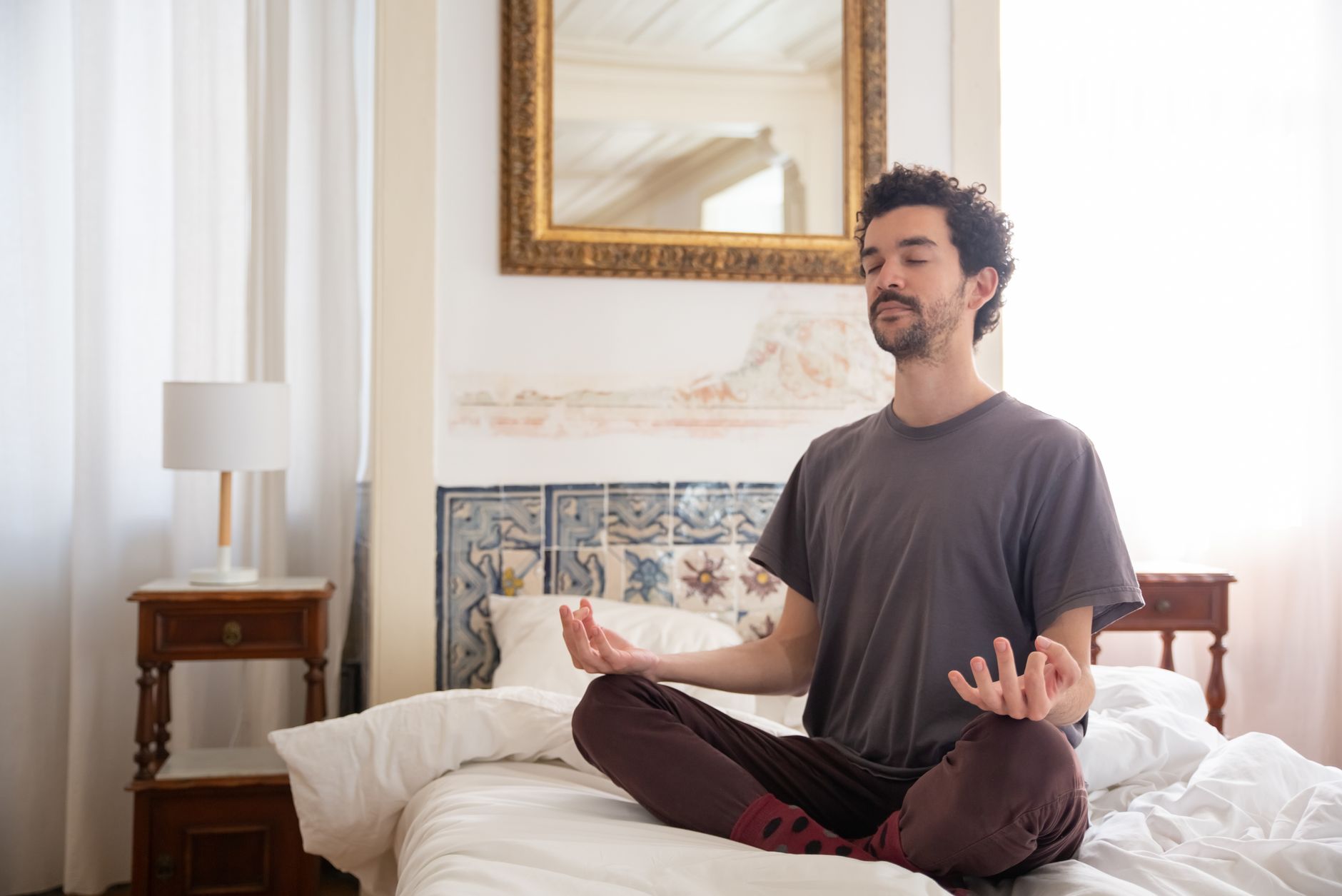
Commitment: She set a goal of 10–15 minutes daily, using MySerenify's 10-minute or 15-minute guided sessions. The key was consistency—she did it at the same time each morning before checking email.
-
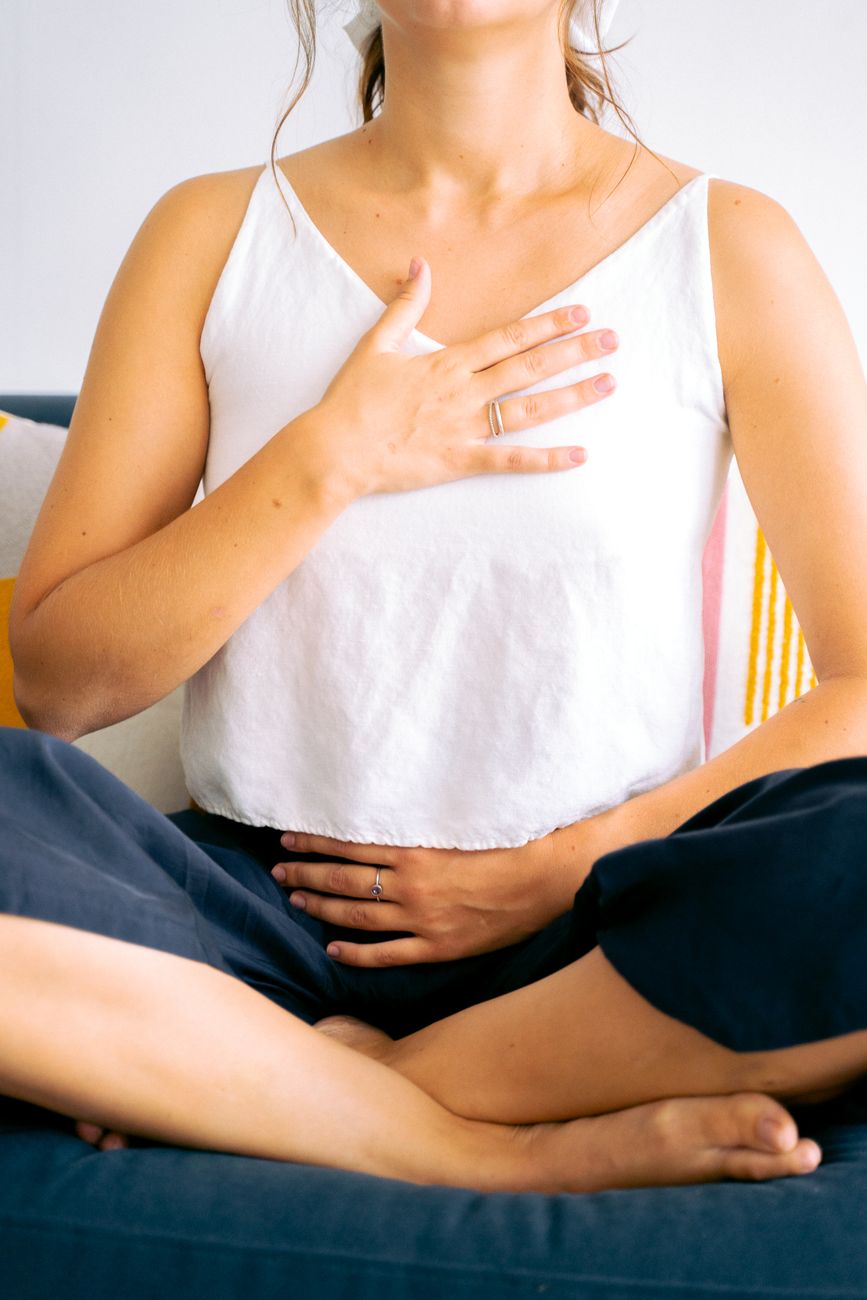
Technique: She used slow, deep breathing with a focus on prolonged exhalation. This is the core of slow breathing, which is defined as a respiratory rate of fewer than 10 breaths per minute, with prolonged, rhythmic, slow, and deep expiratory periods. She aimed for 6 breaths per minute: inhale for 4 seconds, exhale for 6 seconds.
-
Tracking: Sarah's home blood pressure monitor showed an initial baseline of 145/90 mm Hg. She checked it weekly at the same time (morning, before breakfast).
-
Adaptation: In week 3, she added 30 breaths of IMST (inspiratory muscle strength training) using a $20 handheld device. She did this while commuting, making it easy to sustain.
-
Integration: She used MySerenify's "focus" or "stress relief" mode during work breaks, which generated sessions with soothing voice and music that helped her maintain steady breathing.
Results with Specific Metrics
After 8 weeks, Sarah saw:
- Systolic blood pressure: Dropped from 148 to 135 mm Hg (a 13-point reduction).
- Diastolic blood pressure: Dropped from 92 to 84 mm Hg (8 points).
- Heart rate: Resting heart rate decreased from 78 to 72 bpm.
- Sleep quality: She reported falling asleep faster and waking less often.
- Stress levels: She felt noticeably calmer during work meetings and less reactive to daily frustrations.
These results align with published research: the 2021 meta-analysis showed average reductions of 7.68/4.02 mmHg, but individual results vary. Sarah's 13-point drop is above average, likely because she combined two techniques (slow breathing and IMST) and was consistent.
Key Takeaways
-
Breathwork is not a quick fix—consistency matters. Daily practice (10–15 minutes) over several weeks yields measurable results. MySerenify's personalized sessions help maintain that consistency by adapting to your mood and offering flexible lengths.
-
Technique quality determines outcomes. Slow breathing (<10 breaths/min) with prolonged exhales is the evidence-backed method. Learn to distinguish diaphragmatic from chest breathing—read about the difference in Diaphragmatic Breathing vs Chest Breathing: Which Is Better for Anxiety?.
-
Breathwork can complement—not replace—medical treatment. Never stop or change prescribed medication without consulting your doctor. Get your blood pressure checked regularly.
-
Start with a guided tool if you're new. MySerenify's free AI generator is an easy way to begin without experience. Its sessions adapt to your needs, whether for breathwork for better sleep or daytime stress relief.
-
Variety helps with adherence. Try different techniques like box breathing (How to Do Box Breathing) or IMST. Explore a full overview in Breathwork Techniques for Specific Needs.
Featured Snippet Paragraph
For people with high blood pressure, practicing slow, deep breathing for 15 minutes daily can reduce systolic blood pressure by up to 10 points. Research confirms that voluntary slow breathing (fewer than 10 breaths per minute) significantly lowers both systolic and diastolic blood pressure, improves heart rate variability, and enhances autonomic nervous system balance. This natural approach works by activating the parasympathetic nervous system, reducing stress hormones, and improving baroreflex sensitivity.
About MySerenify
MySerenify is a free AI meditation generator that creates personalized, adaptive guided meditations in seconds. Simply describe how you feel—whether stressed, anxious, needing focus, or wanting better sleep—and get a tailored session with a soothing voice and calming music. Sessions adapt to your current mood, require no prior meditation experience, and come in flexible lengths. Start free at myserenify.com.
Note: If you have hypertension, talk to your doctor before starting any new breathing exercise regimen. Breathwork is a complementary approach, not a substitute for prescribed treatments.