Beginner Breathwork Basics: A Complete Guide to Getting Started
Breathwork is the practice of consciously controlling your breath to influence your mental, emotional, and physical state. By intentionally changing how you breathe, you can calm your nervous system, reduce stress, improve focus, and even regulate your mood—all without any equipment or prior experience.
Key Takeaways
- Breathwork involves intentional breathing techniques that have been used for thousands of years in traditions like yoga and Ayurveda.
- Different techniques produce different effects: some calm the mind, others energize the body.
- Starting a breathwork practice requires no special tools—just a quiet space and five to ten minutes a day.
- Regular practice retrains your nervous system, making it easier to access a relaxation response over time.
- Apps like MySerenify can generate personalized guided breathwork sessions based on your current mood and needs, helping beginners stay consistent.
What Is Breathwork? A Definition for Beginners
Breathwork refers to breathing techniques that intentionally channel and focus on the breath. Unlike your automatic, unconscious breathing, breathwork requires you to pay attention to the rhythm, depth, and pattern of each inhale and exhale. The goal varies by technique: some aim to calm the mind, others to energize the body or regulate mood.
Dr. Scott Young, a respiratory therapist at Cleveland Clinic, notes that the practice has roots in Eastern medicine systems such as Ayurveda and traditional Chinese medicine, where it has been used for thousands of years to calm the body and mind. It’s not a new-age fad—it’s a time-tested tool that modern research continues to validate.
How Does Breathwork Work? The Science Behind the Calm
When you practice breathwork, you’re essentially hacking your autonomic nervous system—the part that controls heart rate, digestion, and stress responses without your conscious input. Slow, deep breathing activates the parasympathetic nervous system, often called the "rest and digest" branch. This lowers heart rate, reduces blood pressure, and shifts your body out of "fight or flight" mode.
According to mental health experts, different breathing techniques can have different benefits, such as calming or energizing the body, focusing the mind, or regulating mood. The key is that by controlling the breath, you can directly influence your physiological state—a form of biofeedback that anyone can learn.
Why Should Beginners Try Breathwork?
Breathwork offers immediate, tangible benefits that make it an ideal entry point for anyone new to mindfulness or meditation. Unlike seated meditation, which can feel abstract or frustrating for beginners, breathwork provides a clear focus: the breath itself. It’s a hands-on practice with quick feedback—you’ll likely feel calmer after just a few cycles.
For people dealing with anxiety, overthinking, or focus challenges, breathwork can be a portable tool you can use anywhere: before a meeting, during a commute, or while lying in bed trying to sleep. It doesn’t require any equipment, apps, or subscriptions. However, personalized tools like MySerenify’s free AI meditation generator can create adaptive guided sessions with soothing voice and music, making it even easier to get started—especially for those who struggle with self-direction.
Getting Started: Create the Right Environment
When you’re starting out, finding a quiet place can make a big difference. Dr. Young advises beginners to "sit in a quiet place, if you can". You don’t need a special cushion or a dedicated meditation room—just a spot where you won’t be interrupted for five to ten minutes.
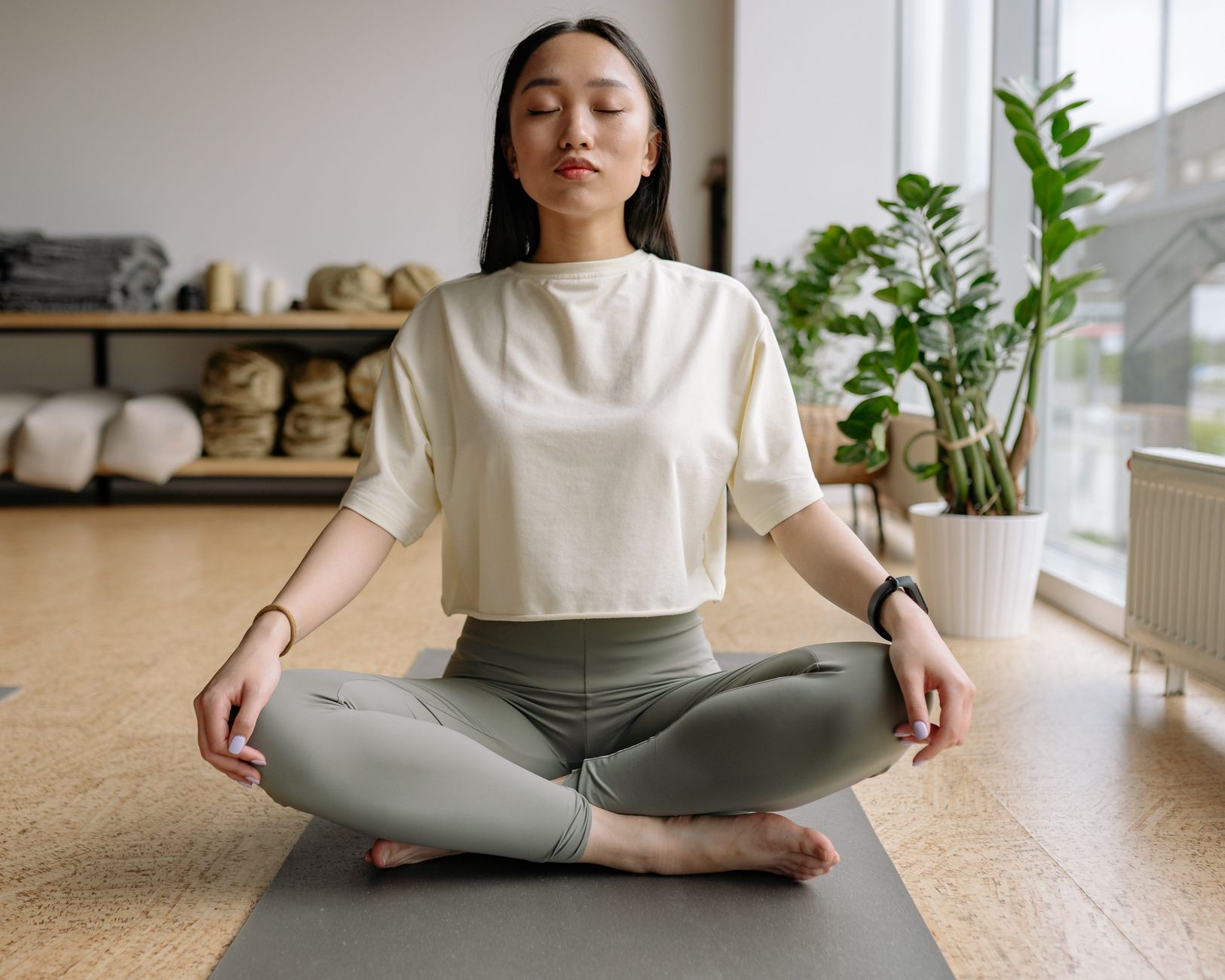
Set a timer if you’re worried about time, and consider closing your eyes to reduce visual distractions. You may also want to sit upright in a chair or cross-legged on the floor. Lying down is fine, but it increases the chance of falling asleep (which isn’t bad if you’re using breathwork for sleep, but less helpful for active practice).
Five Beginner-Friendly Breathwork Techniques
Here are the simplest, most evidence-backed techniques to try. Each has a different effect, so experiment to find what works for you.
Diaphragmatic Breathing (Belly Breathing)
This foundational exercise is ideal for complete beginners, according to Dana Errichetti, a licensed clinical social worker and advanced yoga teacher. It’s named after your diaphragm—the main muscle used in breathing—which contracts when you inhale and relaxes when you exhale.
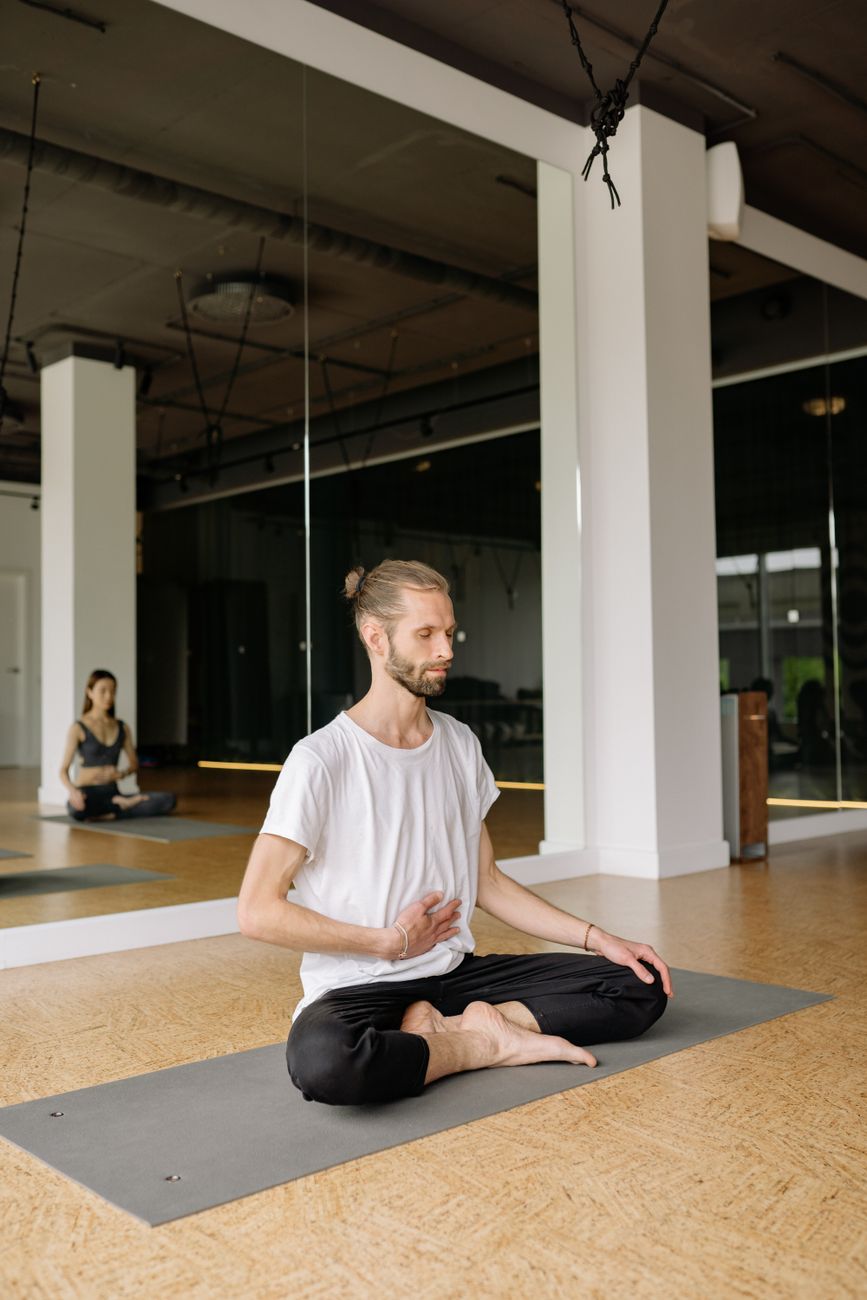
How to do it: Place one hand on your chest and the other on your belly. Inhale slowly through your nose, feeling your belly rise (like a balloon filling). Keep your chest relatively still. Exhale slowly through your mouth or nose, feeling your belly fall. Repeat for 3–5 minutes.
Best for: General relaxation and stress relief.
Box Breathing (Four-Square Breathing)
This technique is popular among Navy SEALs and first responders for its ability to quickly restore calm. It’s one of the simplest breathwork exercises there is, according to author and breathwork expert Ashley Faith.
How to do it: Inhale through your nose for a count of four. Hold your breath for four counts. Exhale through your mouth for a count of four. Hold your lungs empty for four counts. Repeat for 3–5 minutes.
Best for: Anxiety, panic, and regaining focus under stress.
5:2:5 Rhythmic Breathing
This technique uses a specific ratio to create a steady, calming rhythm. According to Dr. Meera Patel, a pulmonologist quoted in Time magazine, the practice should be very comfortable without causing any strain or lightheadedness.
How to do it: Inhale through your nose for five seconds, feeling your abdomen rise toward the ceiling. Pause for two seconds. Exhale through your nose for five seconds, contracting your belly button toward your spine. Repeat for 3–5 minutes.
Best for: Building breath awareness and daily stress maintenance.
4-7-8 Breathing (Relaxing Breath)
Developed by Dr. Andrew Weil, this technique lengthens the exhale to activate the parasympathetic nervous system.
How to do it: Inhale quietly through your nose for four counts. Hold for seven counts. Exhale completely through your mouth for eight counts, making a whoosh sound. Repeat for 4–8 cycles.
Best for: Falling asleep, managing anger, or winding down before bed.
Alternate Nostril Breathing (Nadi Shodhana)
This traditional yogic technique balances the left and right hemispheres of the brain, according to ancient teachings.
How to do it: Sit comfortably. Using your right thumb, close your right nostril. Inhale slowly through your left nostril. Close your left nostril with your ring finger, release your thumb, and exhale through your right nostril. Then inhale through your right nostril, close it, and exhale through your left. That’s one cycle. Repeat for 3–5 minutes.
Best for: Calming an overactive mind before meditation.
How to Start a Breathwork Practice: A Step-by-Step Plan
Many beginners wonder how to fit breathwork into their daily routine. Here’s a simple framework adapted from expert recommendations.
- Set a consistent time. Choose a time that works best for you—morning to set a calm tone, midday to reset, or evening to wind down. Consistency builds the habit.
- Start small. Aim for five to ten minutes a day. Even one minute is better than nothing. As Dr. Young says, practice doesn’t make perfect, but it helps retrain your nervous system so it can enter the relaxation response more easily over time.
- Choose one technique per session. Don’t try to master all five at once. Pick one that appeals to you and practice it for a week.
- Use an anchor. A word or phrase can help you stay focused. For example, think "calm" on the inhale and "release" on the exhale. This is called an anchor, and coming back to it is what trains the mind to stay present.
- Abandon expectations. You won’t feel profoundly different every time. Some sessions will be boring or even frustrating. That’s normal. The goal isn’t to achieve a specific state but to practice.
Common Mistakes in Breathwork and How to Avoid Them
Even beginners can make missteps that reduce the effectiveness of breathwork. (For a deeper dive, read our guide on Common Mistakes in Breathwork and How to Fix Them.)
- Holding your breath too long. If you feel lightheaded or dizzy, shorten the hold or skip it entirely. Comfort is key.
- Trying to force the breath. Breathwork should feel natural, not strained. If you’re gasping or straining, you’re pushing too hard.
- Skipping the exhale. Many beginners focus only on the inhale. But the exhale is where the relaxation happens—lengthen it when you can.
- Expecting immediate results. Regular practice over weeks and months produces lasting changes, not a single session. Be patient.
Integrating Breathwork with Meditation and Mindfulness
Breathwork is often the gateway to a broader meditation or mindfulness practice. Once you’re comfortable with basic techniques, you can use them as a warm-up before silent meditation, or incorporate them into a guided session. For example, apps like MySerenify can create personalized meditations that include breathwork prompts based on how you feel in the moment—covering sleep, anxiety, stress, or focus needs.
If you’re looking for a structured approach, check out our step-by-step guide for anxiety relief or our quick 5-minute breathing exercises.
Frequently Asked Questions
Is breathwork safe for everyone?
Generally, yes, but if you have a medical condition such as asthma, COPD, or heart problems, consult your doctor before starting. If you ever feel lightheaded or short of breath, stop and return to normal breathing.
Can I do breathwork lying down?
Yes, lying down is fine, especially for relaxation or sleep-focused techniques. Just be aware that you may fall asleep, which isn’t a problem if that’s your goal.
How long until I see benefits?
Some benefits are immediate—you may feel calmer after just one session. For long-term changes in your stress response, experts recommend practicing five to ten minutes daily for several weeks.
Do I need an app or guided audio?
Not at all. Breathwork can be done with just your breath. However, guided sessions can help beginners stay on track, especially if they have trouble focusing. MySerenify’s free AI meditation generator offers adaptive guided sessions that adjust to your mood and needs, making the practice more accessible.
Conclusion
Breathwork is one of the simplest, most accessible tools for improving your mental and physical well-being. By learning a few basic techniques and practicing regularly—even just five minutes a day—you can train your nervous system to respond to stress with calm instead of panic. Whether you’re a busy professional, a student, or a meditation newcomer, breathwork offers a portable, free, and effective way to find balance.
Start with one technique from this guide, practice it for a week, and notice how your body responds. Over time, you can build a personalized toolkit of breathing exercises that serve you in different situations. For a deeper understanding of the history and science behind the practice, read our complete beginner’s guide to breathwork. And if you’d like guided support, try MySerenify’s free AI meditation generator to create a session tailored to how you feel right now.