How to Start Breathwork for Anxiety Relief: A Step-by-Step Guide
Breathwork is the intentional control of your breathing pattern to calm your nervous system, and it's one of the most effective tools for immediate anxiety relief. By practicing simple techniques for just five to ten minutes a day, you can retrain your body to shift from a stress response to a relaxation response, reducing anxiety symptoms over time. This guide will walk you through exactly how to start breathwork, from finding your first comfortable position to building a sustainable daily practice.
Key Takeaways
- Breathwork directly calms the nervous system: Controlled breathing activates the parasympathetic nervous system, which counteracts the fight-or-flight response triggered by anxiety.
- Consistency matters more than duration: Practicing for just 5–10 minutes daily is more effective than occasional longer sessions, as it retrains your brain and body to access calm more easily.
- No special equipment or experience needed: You can do breathwork anywhere, from your desk to your bed, and it requires no prior meditation experience.
- Focus on a mantra or anchor: Using a word or phrase as a mental focus helps you stay present and deepens the relaxation response.
- Progress is about ease, not perfection: Don't strain to get the technique exactly right—your breath capacity will naturally improve with practice.
What Is Breathwork and Why Does It Work for Anxiety?
Breathwork refers to a variety of techniques that involve consciously controlling your breathing pattern. When you're anxious, your breathing often becomes shallow and rapid, which signals to your brain that you're in danger. By deliberately slowing and deepening your breath, you send a message to your nervous system that it's safe to relax. This activates the vagus nerve, which triggers the parasympathetic nervous system—your body's "rest and digest" mode. Regular practice can lower baseline anxiety levels and make it easier to cope with stressful moments. For a deeper understanding of the mechanisms, see our article on What Is Breathwork? A Beginner's Guide to Breathing for Calm.
How to Start Breathwork: A Step-by-Step Routine
Starting a breathwork practice doesn't have to be complicated. Follow this simple five-step routine adapted from expert recommendations.
Step 1: Find a Comfortable Position
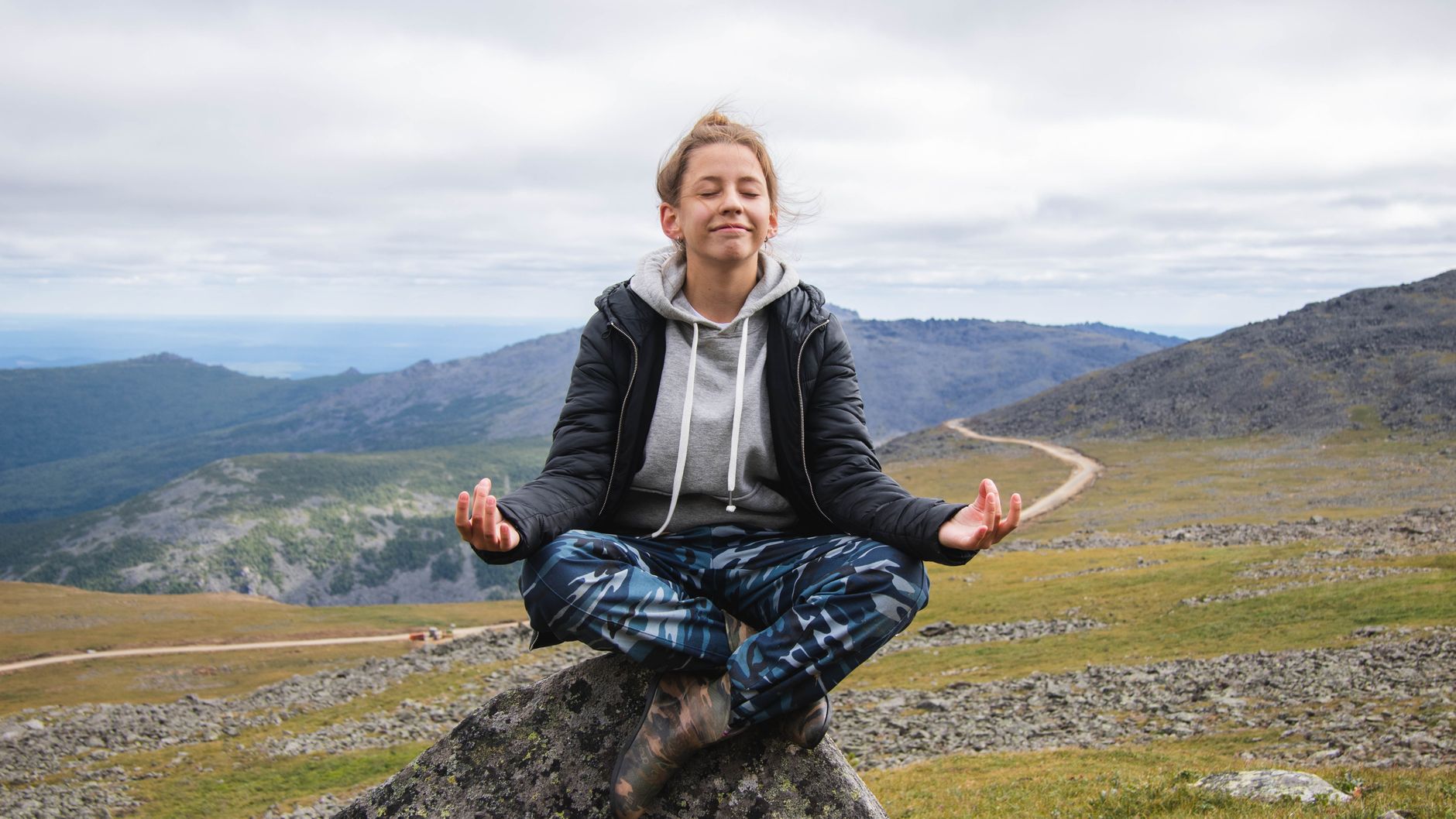
Be intentional about your posture and what your body needs. If you're exhausted, lie down on the floor or couch. If you're seated, relax your shoulders and lengthen your spine. To energize, stand up, aligning your head, shoulders, hips, and feet. The key is to choose a position that lets you breathe freely without strain.
Step 2: Connect to Your Breath
Close your eyes if that feels comfortable. Simply observe the natural flow of your breath without trying to change it. Focus on each inhale and exhale, allowing your awareness to orient toward your breath. This initial observation helps you become aware of your current breathing pattern.
Step 3: Connect to Your Body
Notice sensations arising in your body as you breathe. It could be tingling toes, tension in your lower back or neck, a headache, or even feeling energized. Acknowledge and accept what's happening in your body without judgment. This step helps you ground your awareness in the present moment.
Step 4: Connect to Your Emotions
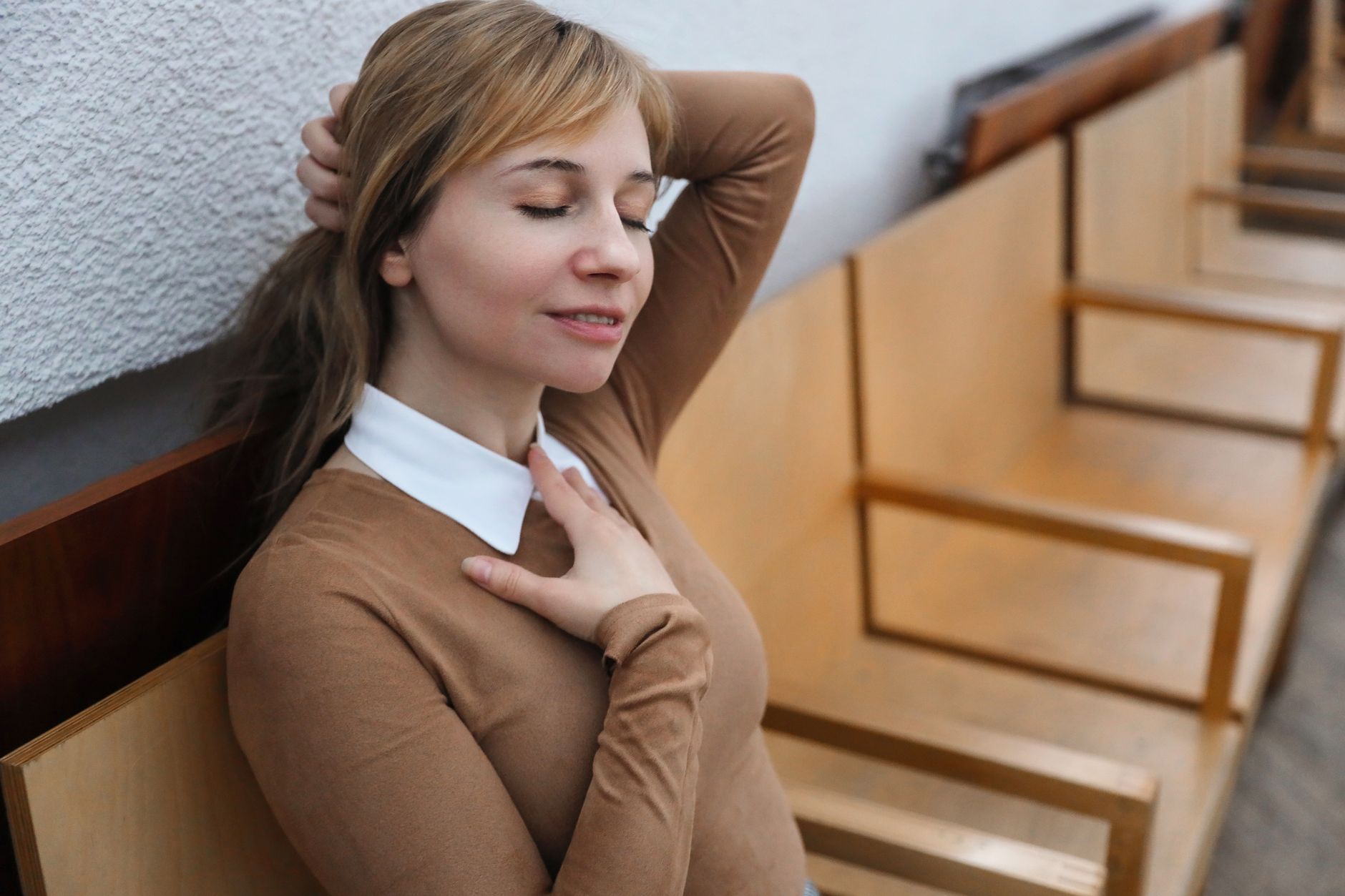
Notice how you feel as a result of this experience. You might feel calm, relaxed, content, overwhelmed, sad, or joyful. Give yourself what you need in that moment, treating yourself as you would care for a loved one. For example, if you notice sadness, you might place a hand on your heart as a compassionate gesture.
Step 5: Come Back to Your Space
Begin to move your fingers and your toes. If your eyes are closed, gently open them. Make any final movements that feel good. Take a moment to notice how you feel before returning to your day.
How Long Should You Practice Breathwork Each Day?
Research and experts recommend practicing breathwork for five to ten minutes each day, especially when starting out. Consistency is far more important than session length. "When you do breathwork on a regular basis, you retrain your nervous system so that it can go into that relaxation response much more easily in the future," explains Dr. Young. This means that a short daily practice builds a powerful resilience against anxiety over time. For quick routines, check out our 5-Minute Breathing Exercises for Instant Calm: Quick Routines Anyone Can Do.
Where Should You Practice Breathwork?
When you're starting out, it's best to practice in a quiet place where you won't be disturbed. "At least to start, sit in a quiet place, if you can," advises Dr. Young. However, you can do breathwork just about anywhere—on a park bench, in your car before a meeting, or even at your desk. The goal is to create a peaceful environment initially, but the skill becomes portable with practice.
What Should You Focus On While Breathing?
It can be helpful to choose a phrase or a singular word to think about as you breathe. Common anchors include "peace," "calm," or "I am safe." "It's the act of coming back to those anchors, as we call them, that helps to retrain the nervous system and the grooves in our brain and nervous system to create new patterns," explains Dr. Young. If your mind wanders, gently bring it back to your anchor without frustration.
Common Mistakes in Breathwork and How to Avoid Them
Many beginners try too hard to get the breath "perfect," which can create more stress. "It's important for beginners to know that simply bringing attention to your breath is a great tool," says Errichetti. You don't have to strain to get the breath practice exactly right—in fact, if you do, it'll probably lead to more stress and tension, both mentally and physically. Instead, be patient and know that your breath capacity will grow with time and practice. "Be exactly where you are and know that working with your breath is enough," she says. For a full list of pitfalls, see Common Mistakes in Breathwork and How to Fix Them.
How Does Breathwork Compare to Meditation?
Breathwork and meditation are closely related but distinct practices. Meditation often involves observing thoughts or sensations without judgment, while breathwork specifically focuses on controlling the breath to influence your nervous system. Many meditations use breath as an anchor, but breathwork can be more active and targeted—for example, using specific patterns like 4-7-8 breathing to induce sleep. For a detailed comparison, read Breathwork vs Meditation: Which Is Better for Instant Stress Relief?.
Can You Combine Breathwork with Guided Meditations?
Absolutely. Combining breathwork with a guided meditation can be especially effective for anxiety relief. If you find it hard to stay focused on your breath alone, a guided session can provide structure and a calming voice to follow. MySerenify is a free AI meditation generator that creates personalized, adaptive guided meditations with soothing voice and music in seconds. Simply describe how you feel—whether it's anxious, stressed, or unable to sleep—and get a tailored session instantly. That's the beauty of modern tools: they adapt to your current mood and needs, making breathwork accessible even on your busiest days.
How to Build a Consistent Breathwork Habit
Consistency is key to reaping the benefits of breathwork for anxiety. Here are practical tips:
- Pick a specific time each day, such as right after waking up or before bed.
- Start small with just three to five minutes to avoid feeling overwhelmed.
- Use reminders on your phone or place sticky notes in visible spots.
- Pair it with an existing habit, like after brushing your teeth.
- Be kind to yourself if you miss a day—just start again tomorrow.
"Once you've learned a few breathing techniques that you are comfortable with, it's best to set aside a bit of time each day to practice," says Maher. The goal isn't necessarily to get "better" at breathwork, but for it to feel easier and more natural the more you try it.
Frequently Asked Questions
Is breathwork safe for everyone?
Breathwork is generally safe for most people, but if you have a medical condition such as asthma, high blood pressure, or a history of panic attacks, consult your healthcare provider before starting. Some techniques like rapid breathing can be intense and may trigger dizziness.
Can I do breathwork lying down?
Yes. If you're exhausted or prefer lying down, that's perfectly fine. Just ensure your spine is aligned and your body is comfortable.
How long before I see results for anxiety?
Many people feel calmer after a single session, but lasting changes typically require consistent practice over several weeks. The more you practice, the quicker your nervous system learns to shift into relaxation mode.
Conclusion
Starting breathwork for anxiety relief doesn't require special skills, expensive apps, or a lot of time. By following the simple step-by-step routine outlined here—finding a comfortable position, connecting to your breath, body, and emotions, and gently returning to your space—you can begin to calm your nervous system in just a few minutes each day. Consistency is the key: practicing five to ten minutes daily retrains your brain and body to access calm more readily, making you more resilient to stress and anxiety. Remember, there's no need to strive for perfection—simply bringing attention to your breath is enough. Combine your practice with personalized tools like MySerenify for guided support, and over time, you'll build a lifelong skill for managing anxiety.
Now take a deep breath, and start where you are.