What Is Breathwork? A Beginner's Guide to Breathing for Calm
Breathwork is the practice of intentionally controlling your breathing patterns to improve mental, physical, and spiritual well-being. By changing how you inhale and exhale, you can shift your body from a stress state to a calm state—making it one of the simplest tools for managing anxiety, improving focus, and supporting better sleep.
Key Takeaways
- Breathwork involves conscious breathing techniques that activate your body's relaxation response, moving you out of fight-or-flight mode.
- Regular practice (even 5–10 minutes daily) retrains your nervous system, making calm more accessible over time.
- Different techniques offer different benefits: some energize, some calm, some help with focus or mood regulation.
- Breathwork is safe for most beginners and requires no special equipment—just your breath and a quiet space.
- While similar to meditation, breathwork focuses specifically on changing your breathing pattern, whereas meditation may use the breath as an anchor but doesn't always involve altering it.
What Exactly Is Breathwork? A Simple Definition
At its core, breathwork is any breathing exercise or technique where you consciously change your breathing pattern. Unlike automatic breathing that happens without thought, breathwork asks you to pay attention to each inhale and exhale, often following specific counts or patterns. The term encompasses a wide range of practices, from slow diaphragmatic breathing to more structured patterns like box breathing or the 4-7-8 technique. People practice breathwork for various reasons: to reduce stress, manage pain, release negative thoughts, improve focus, or simply feel more energized.
How Does Breathwork Work? The Science Behind the Calm
Breathwork works by influencing your autonomic nervous system, which has two main branches: the sympathetic (fight-or-flight) and the parasympathetic (rest-and-digest). When you're stressed, anxious, or scared, your sympathetic nervous system kicks in—raising your heart rate, quickening your breath, and preparing your body for danger. Breathwork, especially slow, deep breathing, activates the vagus nerve, which triggers the parasympathetic system and helps your body calm down. This is why one session can make you feel noticeably more relaxed, and why daily practice can permanently shift your baseline toward calm.
What Are the Benefits of Breathwork?
Stress and Anxiety Relief
The most well-documented benefit of breathwork is its ability to reduce stress and anxiety. By intentionally slowing your breath, you send a signal to your brain that it's safe to relax, which lowers cortisol levels and quiets racing thoughts.
Better Sleep
Since breathwork helps move your body out of fight-or-flight, it's an excellent tool before bed. Practices like the 4-7-8 breathing technique are specifically designed to promote drowsiness and are often recommended for people with insomnia.
Improved Focus and Mood
Certain breathing techniques can energize and sharpen your mind. For example, alternate-nostril breathing or rapid belly breathing can increase alertness and improve concentration. Other techniques help regulate mood by calming the emotional centers of the brain.
Physical Health Perks
Beyond mental benefits, breathwork supports cardiovascular health by lowering blood pressure, improves respiratory health by strengthening your diaphragm, and aids digestion by activating the parasympathetic system.
Breathwork vs. Meditation: What's the Difference?
A common question is whether breathwork is just another form of meditation. While they overlap, there are key differences. Meditation often involves observing your breath as an anchor (noticing it without changing it), whereas breathwork actively changes your breathing pattern. Many meditation practices include breathwork as a component—for instance, a loving-kindness meditation might start with a few minutes of deep breathing—but they serve different primary purposes. If you're looking for a quick physiological shift, breathwork tends to work faster. For a deeper exploration of this distinction, check out our comparison: Breathwork vs Meditation: Which Is Better for Instant Stress Relief?.
How to Start Breathwork: Tips for Beginners
Starting a breathwork practice doesn't require a fancy app or a private retreat. Here's how to begin in just a few steps:
Find a Quiet Space
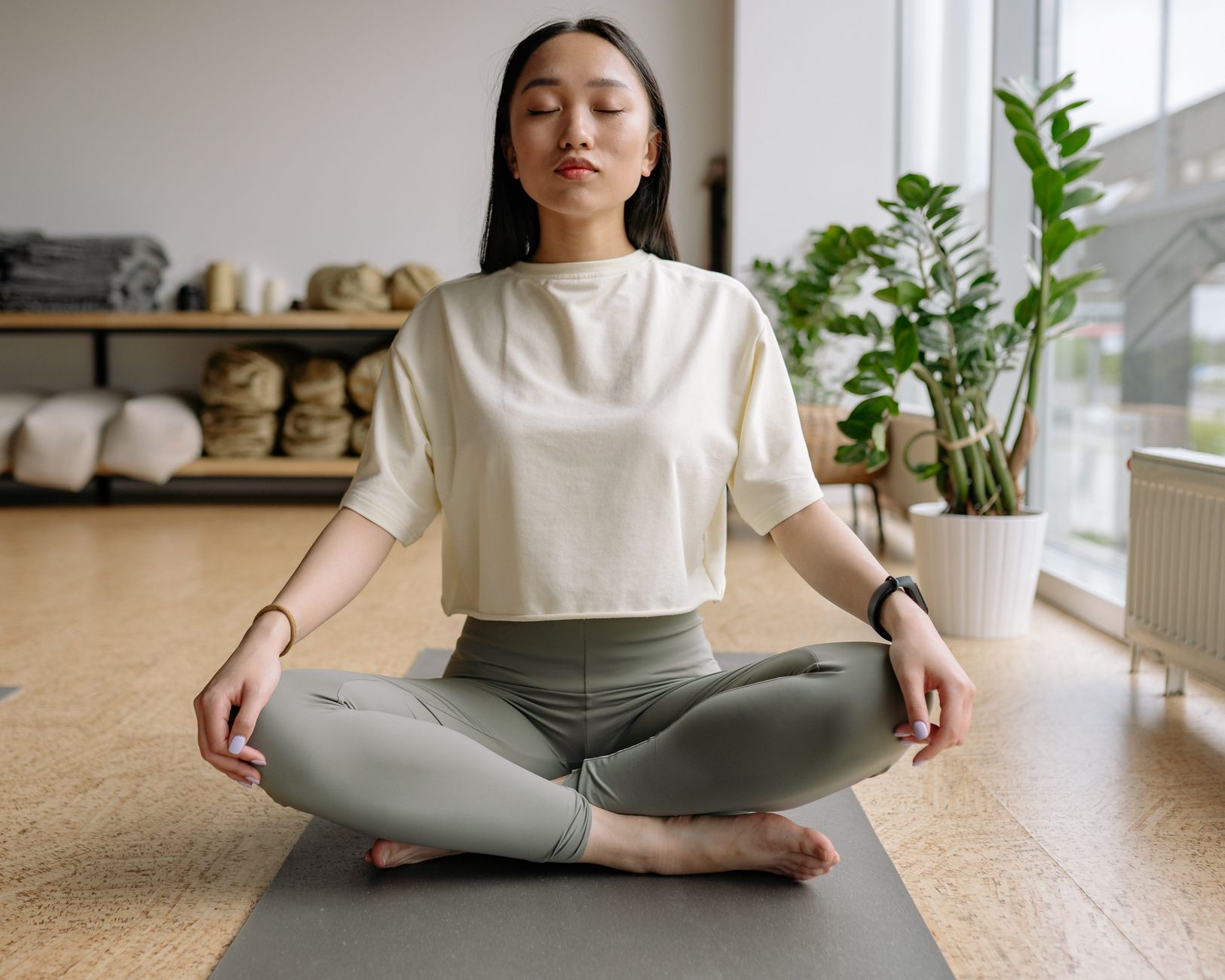
Especially when you're new, choose a calm environment where you won't be interrupted. You can sit on a chair, on the floor, or even lie down—whatever feels comfortable.
Focus on a Word or Mantra
To keep your mind from wandering, pair your breath with a simple word or phrase. On the inhale, think "calm"; on the exhale, think "release." Each time you notice your mind drifting, gently bring it back to your breath and your chosen word.
Start with Five to Ten Minutes Daily
Consistency matters more than duration. Even 5 minutes of daily breathwork can retrain your nervous system to enter the relaxation response more easily over time. Set a timer and don't worry about perfection.
Use a Beginner-Friendly Technique
Start with diaphragmatic breathing (also called belly breathing). Place one hand on your chest and the other on your belly. Breathe in slowly through your nose, letting your belly rise. Exhale gently through your mouth. Repeat for 5 minutes. This technique is the foundation of many breathwork practices and activates the vagus nerve effectively.
For a more detailed step-by-step guide, see our article: How to Start Breathwork: A Step-by-Step Guide for Anxiety Relief.
5 Simple Breathwork Exercises for Beginners
Here are five easy exercises you can try right now, each with a different benefit:
| Technique | How to Do It | Best For |
|---|---|---|
| Diaphragmatic Breathing | Breathe in through your nose, letting your belly rise; exhale through your mouth, feeling your belly fall. | General relaxation, sleep |
| Box Breathing | Inhale for 4 counts, hold for 4, exhale for 4, hold for 4. Repeat. | Focus, anxiety management |
| 4-7-8 Breathing | Inhale through nose for 4 counts, hold for 7, exhale through mouth for 8. | Falling asleep, calming panic |
| Alternate Nostril Breathing | Close right nostril, inhale left; close left, exhale right; then inhale right, close right, exhale left. Repeat. | Balance, mental clarity |
| Pursed Lip Breathing | Inhale through nose for 2 counts, exhale through pursed lips for 4 counts. | Shortness of breath, stress |
Each exercise forces your body to slow down and engage the relaxation response. Start with the diaphragmatic technique and experiment with others as you get comfortable.
For short routines you can do anywhere, read: 5-Minute Breathing Exercises for Instant Calm: Quick Routines Anyone Can Do.
Common Breathwork Mistakes and How to Avoid Them
Even simple practices have pitfalls. Here are the most common mistakes beginners make:
Breathing Too Fast or Too Deep
Over-breathing (hyperventilating) can cause lightheadedness, tingling, or even anxiety. Start slowly and never force a pattern that feels uncomfortable. If you feel dizzy, return to normal breathing.
Holding Your Breath Unnecessarily
Some techniques include breath holds, but beginners often tense up during the hold. Keep your jaw and shoulders relaxed, and don't hold longer than is comfortable.
Expecting Immediate Transformation
Breathwork is a skill. The first few times may feel awkward or yield little effect. That's normal. The benefits compound with regular practice.
Practicing in a Distracting Environment
If you're trying breathwork while watching TV or scrolling on your phone, you won't reap the full benefits. Give it your full attention for just 5 minutes.
For a complete list of pitfalls and fixes, visit: Common Mistakes in Breathwork and How to Fix Them.
How Breathwork Complements a Meditation Practice
If you already meditate, adding breathwork can deepen your sessions. Many guided meditations begin with a breathwork exercise to center the mind. If you're new to both, breathwork can serve as an easier entry point because it gives your mind a specific task (count your breaths, change your pattern) rather than the open-ended instruction to "let go of thoughts."
With MySerenify, you can get a personalized guided meditation that includes a breathwork component tailored to your current mood—whether you're feeling anxious, stressed, or just need help focusing. Simply describe how you feel, and the AI generates a session with calming voice and music to guide your breathwork practice. It's free to start and requires no prior experience.
Frequently Asked Questions
Is breathwork safe for everyone?
Generally, yes. But if you have a respiratory condition (like asthma or COPD), are pregnant, or have a history of panic attacks, consult your doctor before starting any new breathing practice. If you ever feel faint or severely uncomfortable, stop and breathe normally.
Can breathwork replace therapy or medication?
No. Breathwork is a complementary tool, not a substitute for professional medical or mental health treatment. It can be part of a broader wellness plan but should not replace prescribed therapies.
How soon will I feel the benefits?
Many people feel calmer after their first session. Long-term benefits like reduced baseline anxiety and improved emotional regulation develop with consistent daily practice over weeks to months.
Do I need an app to do breathwork?
No. Breathwork requires only your breath. However, apps like MySerenify can provide guided sessions, which are especially helpful for beginners who want structure and a soothing voice to follow along. The key is to start—with or without technology.
Conclusion
Breathwork is a powerful, accessible practice that anyone can use to find calm in a hectic world. By simply changing how you breathe, you activate your body's built-in relaxation system, reducing stress, improving focus, and supporting better sleep. Starting is easy: find a quiet spot, try a basic belly-breathing exercise for 5 minutes, and build from there. Whether you practice alone or use a guided tool like MySerenify, breathwork gives you a reliable way to take control of your mental state—anytime, anywhere. The only requirement is your willingness to take a few deep breaths.