The Complete Guide to Breathwork Techniques for Instant Calm
Breathwork techniques for calm are structured breathing patterns that directly activate your parasympathetic nervous system, lowering heart rate and reducing stress within minutes—no equipment, app, or prior experience required. Whether you're dealing with acute anxiety, chronic stress, or trouble sleeping, mastering a few simple breathing exercises gives you a portable, free tool to regain control anytime.
This guide covers the science behind breathwork, eight evidence-based techniques, how to choose the right one for your situation, and steps to build a lasting practice. You'll learn exactly how to calm down with breathing, and when to use each method for maximum effect.
Key Takeaways
- Slow diaphragmatic breathing at 5-6 breaths per minute is the most accessible, well-researched starting point for general calm and daily practice.
- The physiological sigh—a double inhale through the nose followed by a long exhale—offers the fastest relief for acute anxiety, working in under 30 seconds.
- Regular daily practice retrains your nervous system, making the relaxation response easier to access over time.
- Different breathwork techniques serve different goals: box breathing for composure under pressure, 4-7-8 breathing for pre-sleep relaxation, and resonant frequency breathing for long-term heart rate variability improvement.
- Consistency matters more than duration—five minutes of daily practice beats 30 minutes once a week.
What Is Breathwork and How Does It Calm the Nervous System?
Breathwork refers to breathing techniques that intentionally channel and focus on the breath. For thousands of years, Eastern medicine practices like Ayurveda and traditional Chinese medicine have used these methods to calm the body and mind. Today, modern neuroscience explains why: controlled breathing directly influences the autonomic nervous system, shifting it from the stress-driven sympathetic branch (fight-or-flight) to the calming parasympathetic branch (rest-and-digest).
The primary mechanism involves the vagus nerve, which runs from your brainstem to your abdomen. Slow, deep breathing stretches the lungs and stimulates vagal afferents, triggering a cascade of relaxation responses: heart rate slows, blood pressure drops, and cortisol levels decline. This is not placebo—it's measurable physiology. For example, slow diaphragmatic breathing at 5-6 breaths per minute enhances respiratory sinus arrhythmia (RSA), a natural variation in heart rate that improves heart-lung efficiency and signals safety to the brain.
How to Calm Down with Breathing: A Simple 30-Second Emergency Protocol
When you need to calm down fast, skip complex patterns. Use the physiological sigh: take two quick inhales through your nose (the second one slightly deeper), then exhale slowly through your mouth until your lungs are empty. Repeat two to three times. This technique is backed by research from Stanford University and is arguably the fastest known method to reduce anxiety in real time. It works by rapidly lowering carbon dioxide levels and reinflating collapsed air sacs in the lungs, signaling your brain that the threat has passed.
The Core Breathwork Techniques for Calm
Here are the eight most effective evidence-based breathwork techniques, grouped by mechanism and best use case.
Slow Diaphragmatic Breathing (Belly Breathing)
Pattern: 5-6 breaths per minute, inhaling deeply into the belly, not the chest. This is the foundation of all calming breathwork. No counting, no holding—just slow, deep belly breaths through the nose. It stimulates the vagus nerve, enhances RSA, and is ideal for daily stress reduction. Start with five minutes in a seated or lying position.
Box Breathing (4-4-4-4)
Pattern: Inhale for 4 seconds, hold for 4 seconds, exhale for 4 seconds, hold for 4 seconds. This technique activates vagal stimulation, improves carbon dioxide tolerance, and engages the prefrontal cortex for cognitive control. It's excellent for acute stress—think before a presentation, an exam, or a difficult conversation. The symmetrical pattern creates a sense of stability and focus.
4-7-8 Breathing (Relaxation Breath)
Pattern: Inhale through the nose for 4 seconds, hold for 7 seconds, exhale through the mouth for 8 seconds. The extended exhale dominates the parasympathetic response, making this particularly effective for anxiety and pre-sleep relaxation. It can induce drowsiness quickly, so use it lying down in bed.
Resonance Frequency Breathing (Coherent Breathing)
Pattern: A personalized rate, typically 4.5-6.5 breaths per minute (most commonly 6 breaths per minute). This technique maximizes heart rate variability (HRV) and creates cardiovascular coherence—the synchronized rhythm of heart, breath, and blood pressure. It requires a bit of trial to find your exact resonant frequency, but once you do, regular practice builds long-term resilience. Use a timer or app to pace yourself at 5 seconds in, 5 seconds out.
Physiological Sigh (Cyclic Sigh)
Pattern: Double inhale through nose (first small, second deep), then long exhale through mouth. As noted, this is the fastest technique for immediate stress relief. It can be done anywhere, eyes open or closed. Excellent midday reset tool.
Alternate Nostril Breathing (Nadi Shodhana)
Pattern: Close right nostril with thumb, inhale left; close left nostril with ring finger, exhale right; inhale right, close right, exhale left—repeat. This ancient yogic technique balances the autonomic nervous system and is particularly good for mental clarity and calm before focus tasks.
Humming Breath (Bhramari)
Pattern: Inhale deeply, then exhale while making a low humming sound, like a bee. The vibration stimulates the vagus nerve and can be deeply soothing. Useful for releasing throat and jaw tension, often associated with anxiety.
Wim Hof Breathing (Not for Calm—But Worth Knowing)
Pattern: 30 rapid breaths, then hold after exhale; repeat rounds. This method is activating, not calming. It stimulates the sympathetic nervous system followed by a parasympathetic rebound. Many people try it expecting calm and get lightheaded instead. Use it for energy or cold exposure, not for anxiety relief.
How to Choose the Right Breathwork Technique for Your Situation
Selecting the right technique depends on your goal, context, and experience level. Use this table:
| Goal | Recommended Technique | Why |
|---|---|---|
| Immediate stress relief (acute anxiety) | Physiological sigh or box breathing | Fast-acting; requires 30-60 seconds |
| Daily practice for general calm | Diaphragmatic breathing | Simple, accessible, well-researched |
| Pre-sleep relaxation | 4-7-8 breathing | Extended exhale promotes drowsiness |
| Focus before a task | Box breathing | Engages prefrontal cortex for composure |
| Long-term resilience/HRV training | Resonant frequency breathing | Maximizes heart-brain coherence |
| Calming a racing mind | Alternate nostril breathing | Balances left/right brain activity |
For beginners, start with slow diaphragmatic breathing. According to Dr. Young of the Cleveland Clinic, "It's all about finding the technique that resonates with you. There are so many that it can be exciting to try different ones".
A Step-by-Step Guide to Your First Breathwork Session
Here's how to start a breathwork practice today. No experience required.
- Find a quiet space. Especially when starting out, a peaceful environment helps you focus on the breath.
- Set a timer for 5 minutes. Consistency beats duration.
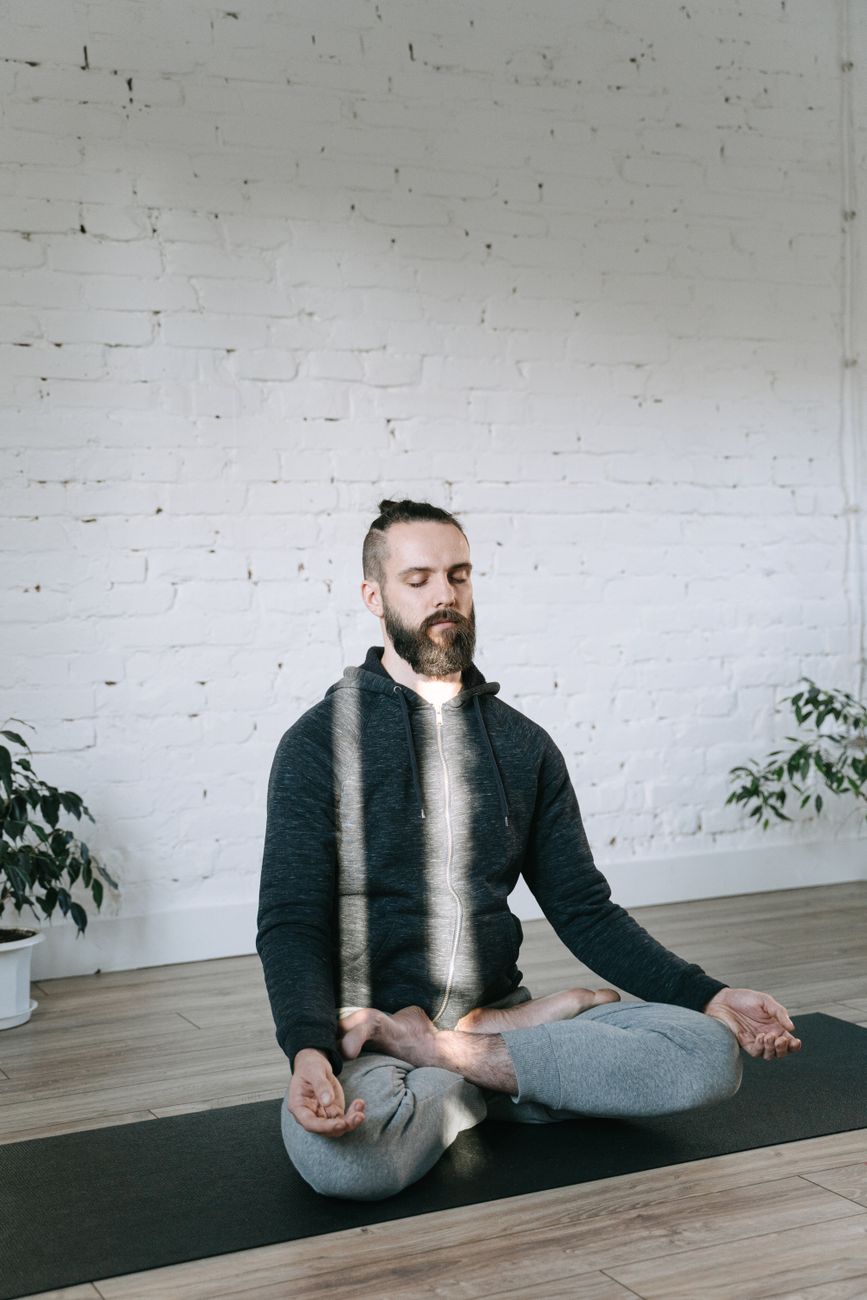
- Sit or lie down comfortably. Support your back, but stay awake.
- Place one hand on your belly. This gives tactile feedback to ensure diaphragmatic breathing.
- Begin slow diaphragmatic breathing. Inhale through your nose, letting your belly rise; exhale fully through your nose or mouth.
- Focus on the sensation of breath. If your mind wanders, gently return attention to the belly rising and falling.
- End with two physiological sighs to reset and transition out of the session.
Practice daily, even if only for five minutes. "When you do breathwork on a regular basis, you retrain your nervous system so that it can go into that relaxation response much more easily in the future," Dr. Young explains.
Building a Daily Breath Practice That Sticks
The key to long-term benefits is consistency, not intensity. Here's a sample daily schedule you can adapt:
- Morning (5–10 minutes): Natural breath awareness or resonant frequency breathing to set a calm baseline for the day.
- Pre-work (2–3 minutes): Box breathing for focus and composure before meetings or tasks.
- Midday (1 minute): Physiological sigh as needed during stressful moments.
- Evening (10 minutes): Diaphragmatic breathing or 4-7-8 breathing to wind down and prepare for sleep.
If you struggle to maintain a daily practice, integrate breathwork into existing habits—right after brushing your teeth or during your commute. For deeper guidance, our comprehensive Beginner Breathwork Basics: A Complete Guide walks you through the first week step by step.
Common Mistakes and How to Avoid Them
Even well-intentioned practitioners make these errors. Here's what to watch for:
- Over-breathing (hyperventilation): Fast, forceful breaths can cause dizziness and anxiety. Slow down. If you feel lightheaded, return to normal breathing.
- Holding too long: A 10-second hold isn't necessary—it can increase carbon dioxide too rapidly, triggering panic. Stick to 4-4-4-4 or 4-7-8 at a comfortable pace.
- Ignoring your body's signals: Breathwork should never be painful or forced. If a technique feels wrong, switch to diaphragmatic breathing.
- Expecting instant transformation: Calm builds over weeks of practice. One session may feel subtle; persistence yields change.
- Using stimulating techniques for relaxation: Wim Hof breathing is energizing—use it only when you want to increase alertness.
Frequently Asked Questions
Can breathwork really calm me down in seconds?
Yes. The physiological sigh (double inhale, long exhale) can reduce anxiety in under 30 seconds by rapidly shifting autonomic balance. It's the go-to technique for immediate relief.
How long should I practice each day?
Start with 5 minutes daily. Research shows that regular practice retrains the nervous system, so even short sessions produce cumulative benefits. As you build comfort, extend to 10-20 minutes.
Is breathwork safe for everyone?
Most techniques are safe for healthy individuals. However, if you have asthma, cardiovascular disease, glaucoma, or are pregnant, consult a healthcare provider before practicing holds or rapid breathing. If you ever feel dizzy or faint, stop and breathe normally.
Do I need a meditation app to do breathwork?
No. Breathwork is free and requires only your breath. That said, tools like MySerenify can enhance your practice with personalized guided meditations that adapt to your mood—combining breathwork with a calming voice and music for deeper relaxation. MySerenify is free to start and creates tailored sessions in seconds, whether you need help with sleep, anxiety, stress, or focus.
Conclusion
Breathwork techniques for calm are one of the most powerful, accessible tools you have for managing stress, anxiety, and sleep difficulties. From the immediate relief of the physiological sigh to the long-term resilience built with resonant frequency breathing, there is a technique for every situation and experience level. The science is clear: slow, intentional breathing activates your parasympathetic nervous system, lowering heart rate, reducing cortisol, and promoting a state of calm.
Start where you are. Pick one technique—diaphragmatic breathing is the best starting point—and practice for five minutes daily. Over time, you'll notice the response becoming automatic, available in moments of high stress without thought. For those ready to go deeper, our Breathwork Techniques for Specific Needs: A Complete Guide explores targeted approaches for anxiety, insomnia, panic attacks, and more. And if you encounter challenges or want to refine your practice, Advanced Breathwork and Troubleshooting: A Complete Guide covers common pitfalls and solutions.
Your breath is always with you. Learning to use it consciously changes how you respond to the world—and that change starts with your next inhale.