The Definitive Guide to Personalized Meditation: Science, Benefits, and How to Get Started
Personalized meditation is a practice where guided sessions are tailored to your current mood, needs, and goals, often generated in seconds by AI based on how you describe your feelings. It combines the proven benefits of mindfulness with the convenience of technology, offering adaptive sessions that shift with your emotional state—helping with sleep, anxiety, stress, and focus. This guide explains the science behind why personalization works, the concrete benefits you can expect, and exactly how to start your own practice today, with no prior experience required.
What Is Personalized Meditation?
Personalized meditation goes beyond generic “one-size-fits-all” guided meditations. Instead of listening to a recorded session that may or may not match how you feel right now, personalized meditation adapts to your immediate state. You simply describe how you feel—for example, “I’m anxious about tomorrow’s presentation” or “I need to focus for a study session”—and the meditation is crafted around that input. According to MySerenify, a free AI meditation generator, these sessions are created in seconds and feature a soothing voice with calming music, tailored to your mood and needs.
This approach is fundamentally different from static meditation apps. It’s not a library of fixed tracks; it’s a dynamic, responsive experience. The session length can be flexible, and you can choose to target sleep, anxiety, stress, or focus. Because the meditation is built around your current emotional state, it can be more relevant and effective than a generic session that might not address what’s troubling you in the moment.
The Science of Personalized Meditation: Why It Works
Personalized meditation leverages the brain’s ability to respond to relevant, context-specific cues. When you meditate with a session that directly addresses your current stressor or emotion, you’re more likely to engage deeply because the content resonates with your mental state. This is supported by the scientific principle of “expectancy” and “personal relevance.” When you expect a treatment to work and feel it’s tailored to you, psychological and physiological responses improve—a phenomenon known as the placebo effect in clinical contexts, but here it enhances the genuine benefits of mindfulness.
Moreover, personalized meditation can help cultivate a consistent practice. If every session feels fresh and resonant, you’re more likely to return to it. Consistency is key to rewiring the brain through neuroplasticity—the brain’s ability to form new neural connections. Over time, regular meditation can reduce activity in the amygdala, the brain’s fear center, and increase activity in the prefrontal cortex, which governs attention and emotional regulation. For a deeper dive into the neuroscientific underpinnings, see The Science of Personalized Meditation: A Complete Guide.
Key Takeaways
- Personalization increases engagement: Sessions that address your current mood are more likely to hold your attention and produce noticeable benefits.
- Adaptive sessions match your needs: AI can create a new session each time, so your meditation never feels stale.
- You don’t need experience: Personalized meditation is designed for beginners—just describe how you feel and let the tool do the rest.
- Flexibility: You can choose session length and focus areas, making meditation easy to fit into a busy schedule.
- Free to start: Many tools, like MySerenify, offer free personalized meditations, removing cost barriers.
How to Personalize Meditation: A Step-by-Step Guide
Step 1: Identify Your Current State
Before you start, take a mental inventory. Ask yourself: “What am I feeling right now?” Are you anxious? Stressed? Tired? Struggling to concentrate? The more specific you can be, the better. For example, instead of “I’m stressed,” try “I’m stressed about a deadline at work.” This clarity guides the AI in crafting a responsive session.
Step 2: Choose Your Goal
Personalized meditation can target specific outcomes: sleep, anxiety, stress, or focus. For sleep, you might want a session that calms racing thoughts; for focus, one that energizes and centers your attention. Deciding your goal shapes the session’s tone, imagery, and pacing.
Step 3: Describe Your Feelings in Natural Language
When using a tool like MySerenify, you simply type or speak how you feel. The AI interprets your words and generates a meditation that acknowledges and addresses them. This is the core of personalization—the meditation reacts to your unique input, not a pre-set script.
Step 4: Select Session Length and Preferences
Most personalized meditation tools allow you to choose the duration—from a 1-minute reset to a 20-minute deep dive. Some also let you adjust the voice and music. Choose what works for your current schedule. Even a short session can be profound if it’s targeted.
Step 5: Hit Play and Immerse Yourself
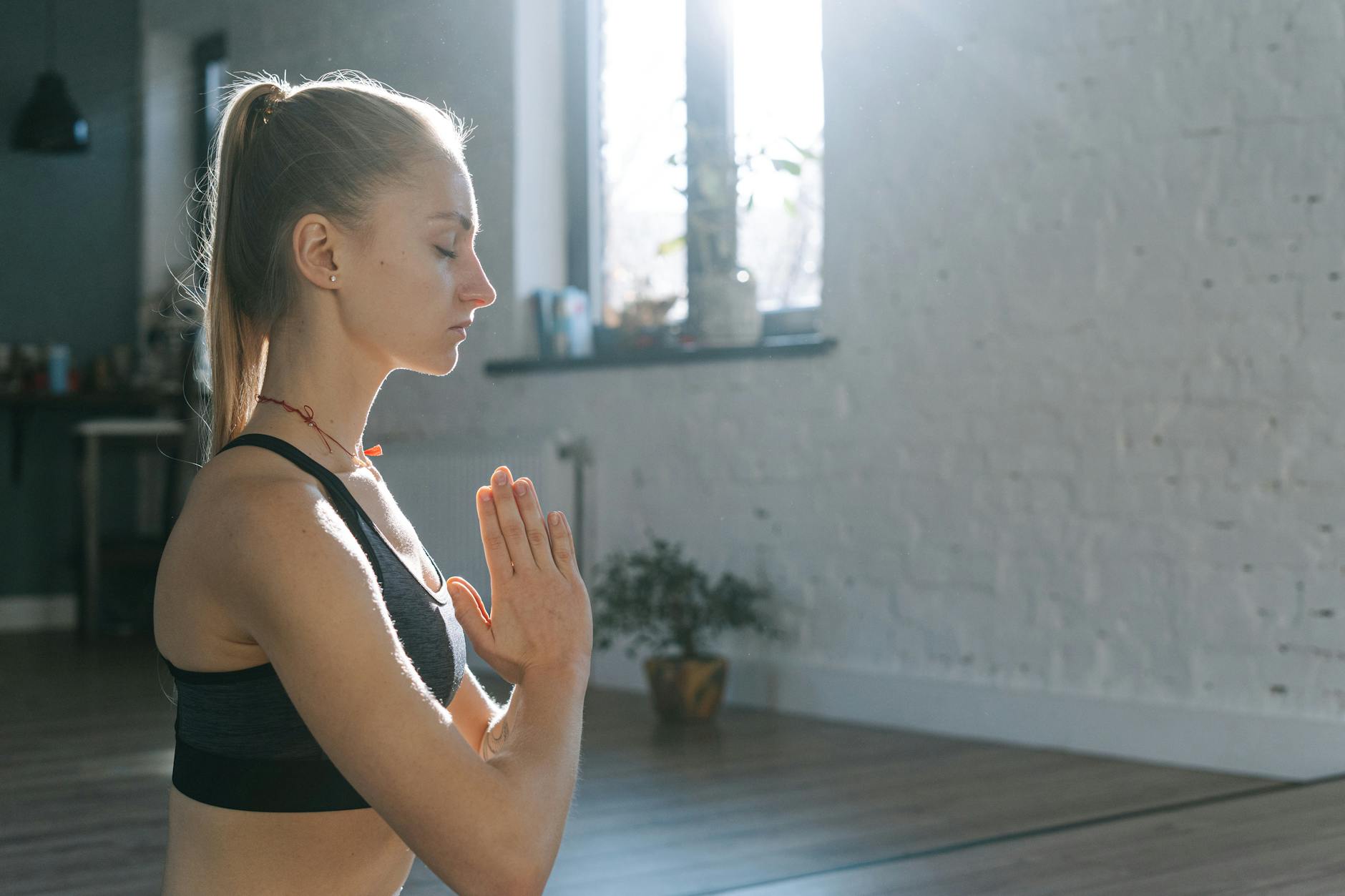
Find a comfortable position, close your eyes, and listen. The meditation will guide you through breathing, visualization, or body awareness, all while addressing your stated feelings. If your mind wanders, gently return to the voice. Remember, the session was made for you, so trust the process.
Step 6: Reflect and Adjust
After the session, notice how you feel. Did the meditation help? What could be better? Use that feedback to refine your next session. Personalization is iterative—your practice evolves with you.
The Benefits of Personalized Meditation
Sleep Support
Insomnia and poor sleep affect millions. Personalized meditation for sleep can target racing thoughts and physical tension that keep you awake. By learning to relax your body and calm your mind, you can fall asleep faster and improve sleep quality. Sessions designed for bedtime often use slower pacing and soothing sounds.
Anxiety Relief
Anxiety is often characterized by worry about the future. Personalized meditation can bring you back to the present moment, helping you observe anxious thoughts without judgment. When the session acknowledges your specific anxiety—like fear of failure—it validates your experience and guides you toward a calmer perspective.
Stress Management
Stress is a physical and emotional response to demands. Personalized meditation activates the relaxation response, lowering cortisol levels and reducing muscle tension. By regularly practicing stress-reduction meditations, you can build resilience to daily pressures.
Focus and Concentration
In a world of distractions, focus is precious. Personalized meditation for focus can improve attention span and cognitive function. These sessions often include visualization of clarity or focus, and they can be used before work, study, or creative tasks. For more on applying meditation to specific outcomes, see Using Personalized Meditation for Specific Benefits: A Complete Guide.
The Science Behind Personalized Meditation
The science of meditation is well-documented, and personalization adds a modern twist. Research shows that mindfulness meditation can reduce symptoms of anxiety and depression, lower blood pressure, and improve sleep. However, adherence is a common problem—many people start a meditation app but stop within weeks. Personalized meditation addresses this by increasing relevance and novelty, which can boost motivation.
From a psychological standpoint, personalization leverages the “self-reference effect”—we remember and process information better when it relates to ourselves. When a meditation mentions your specific stressor or emotion, you’re more likely to engage and benefit. Neuroimaging studies show that self-related processing activates different brain networks than generic processing, potentially enhancing mindfulness effects.
The adaptive nature of AI meditation also means the content evolves as you change. If you are anxious one day and tired the next, the meditation reflects that shift. This dynamic approach is more aligned with real life, where emotional states are fluid.
Who Can Benefit from Personalized Meditation?
Busy Professionals
Between meetings, emails, and deadlines, stress accumulates. Personalized meditation can be a quick, effective way to reset during the workday. A 5-minute session tailored to your current stress can lower tension and improve focus for the next task.
Students
Exam pressure and study fatigue are common. Personalized meditation can help students manage test anxiety and enhance concentration while studying. By describing “I feel overwhelmed,” a student gets a session that calms and refocuses.
Beginners to Meditation
If you’ve never meditated, the idea of “clearing your mind” can be daunting. Personalized meditation eases you in. Since the session is based on your input, it feels less abstract and more relevant, making it easier to start and stick with.
Those with Anxiety or Overthinking
If you’re prone to anxiety or overthinking, generic meditations may not address your specific thought patterns. Personalized sessions can target these, helping you break the cycle of rumination.
How Personalized Meditation Works: Tools and Technology
Personalized meditation relies on artificial intelligence (AI) to generate unique content. When you input your feelings, the AI uses natural language processing (NLP) to interpret your emotional state and creates a guided narrative, often with a calming voice and background music selected to suit the mood. The entire process takes seconds, according to MySerenify.
The technology behind this is constantly improving. AI models can analyze language for emotional cues, match them to pre-designed meditation templates, and even vary the tone of voice. Some tools allow you to input more detailed descriptions, such as the type of anxiety (e.g., social vs. performance) or the reason for stress, to refine the session further.
This is distinct from static apps where you choose a category and listen to the same recording every time. Personalized meditation is generative—each session is new, ensuring variety.
Common Mistakes to Avoid in Your Personalized Meditation Practice
Even with the best tools, certain habits can undermine your practice. Here are pitfalls to avoid:
- Skipping the description: Don’t rush through the input step. The quality of the session depends on how well you communicate your state.
- Expecting instant calm: Meditation is a skill. Some sessions may not immediately transform your mood, and that’s okay.
- Using it as avoidance: Meditation is not about escaping difficult emotions but about observing them. If you’re using it to avoid facing a problem, it may not be effective long-term.
- Inconsistent practice: Sporadic meditation yields limited benefits. Try to incorporate it daily, even if briefly.
Frequently Asked Questions
Can Personalized Meditation Really Help with Sleep?
Yes. By addressing specific sleep blockers like anxiety or racing thoughts, personalized meditation can relax your body and mind, making it easier to fall asleep. Sessions for sleep often use slower, calming language and gentle music, which can signal your brain that it’s time to rest.
Is Personalized Meditation Suitable for Beginners?
Absolutely. No experience is required. The AI guides you through the session, and because it’s tailored to your current feelings, it feels more accessible than a generic introduction to meditation. You can start with short sessions and gradually increase duration.
How Does Personalized Meditation Differ from Regular Guided Meditation?
Regular guided meditation typically uses pre-recorded sessions that are the same for everyone. Personalized meditation creates a unique session each time based on your present emotional state and goals. This adaptive nature can be more engaging and relevant to your immediate needs.
How to Personalize Your Meditation Practice Further
Beyond using AI tools, you can personalize your meditation in other ways. For instance, you can choose a specific time of day that suits you, create a dedicated space, or combine meditation with other practices like journaling. The key is to make the practice yours.
If you want to delve deeper into the practical steps of customization, read How to Personalize Your Meditation Practice: A Complete Guide. It covers techniques for tailoring your sessions to your lifestyle.
Conclusion
Personalized meditation is a powerful evolution of an ancient practice, making mindfulness more accessible, relevant, and effective. By harnessing AI to create sessions that respond to your current mood and needs, it offers a tailored path to better sleep, reduced anxiety, lower stress, and improved focus. The science supports its benefits, and the technology is simple enough for anyone to use—no experience required. Start today by describing how you feel, then let a personalized session guide you toward a calmer, more centered state.
Whether you’re a busy professional, a stressed student, or a meditation beginner, personalized meditation can be your tool for mental well-being. It’s free to start, flexible in length, and adapts to you. Embrace the power of personalization and discover how this modern approach to an ancient practice can transform your mental health.
Next Steps
Ready to begin? Try a free personalized meditation session with MySerenify. As you practice regularly, you’ll likely notice improvements in your ability to manage stress and sleep. For a deeper understanding of the scientific principles, explore The Science of Personalized Meditation: A Complete Guide. Remember, the most important step is to start—your mind will thank you.