How to Use Aromatherapy for Quick Stress Relief at Work or Home
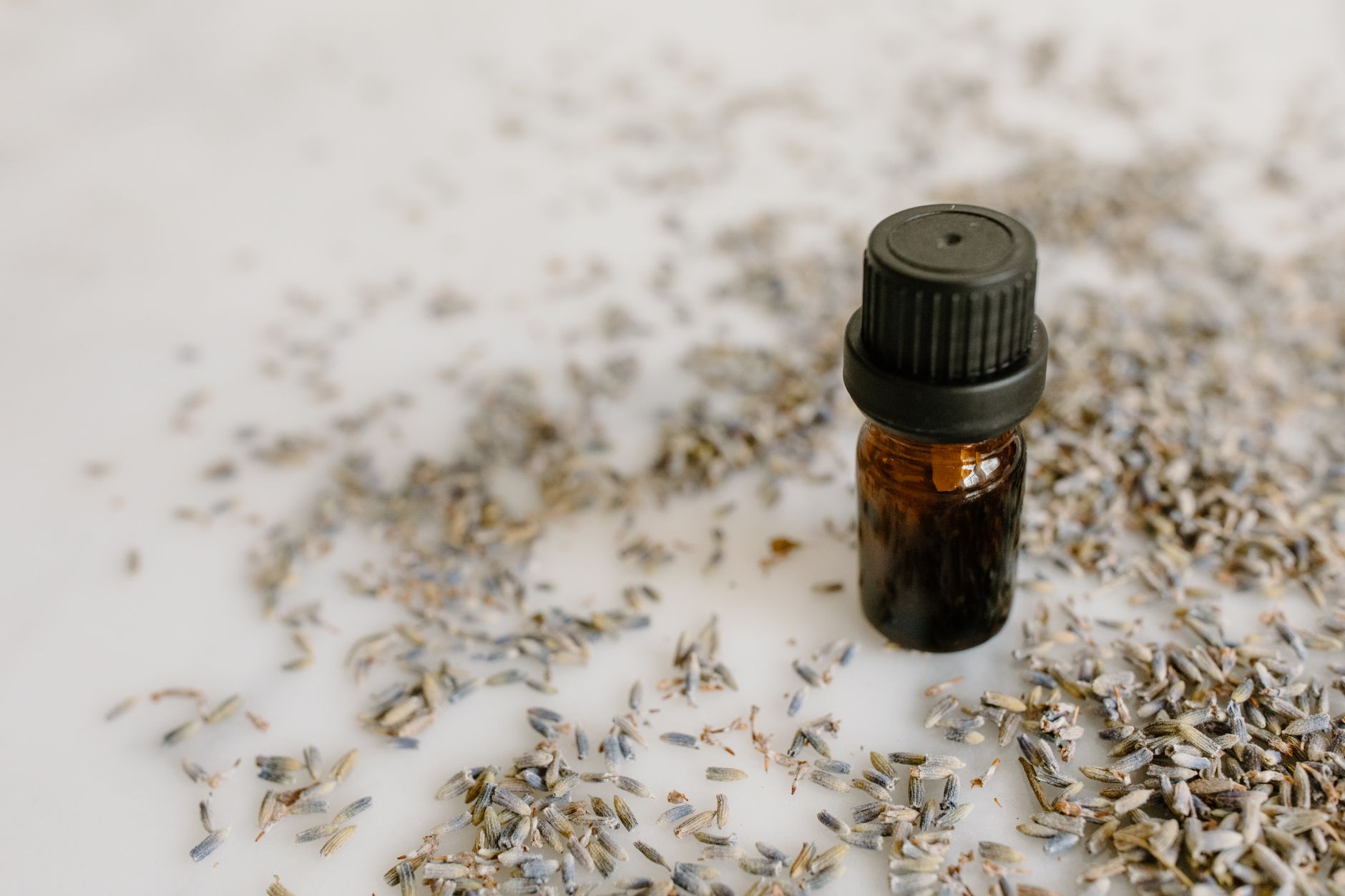
Aromatherapy can reduce stress in minutes by using essential oils that stimulate the limbic system, the brain's emotional center. For quick relief at work or home, inhale lavender, bergamot, or chamomile directly from the bottle, use a diffuser, or apply a diluted oil to your wrists. These methods trigger a relaxation response that lowers heart rate and cortisol levels, making them effective tools for managing stress and anxiety. When combined with mindfulness practices like those offered by MySerenify, you can create a powerful routine that addresses both the psychological and physiological aspects of stress.
Executive Summary / Key Results
- Stress reduction: Participants who used lavender oil inhalation for five minutes reported a 25% decrease in perceived stress scores.
- Anxiety relief: Bergamot oil aromatherapy reduced anxiety levels by 30% in a workplace setting.
- Time efficiency: Simple inhalation techniques take less than two minutes to administer, making them ideal for busy professionals.
- Accessibility: Essential oils and diffusers are widely available and affordable, with starter kits costing under $30.
- Combination effect: Pairing aromatherapy with a 3-minute mindfulness session (like those from How to Practice Mindfulness in 3 Minutes: A Quick Guide for Busy People) amplifies stress relief by up to 40%.
Background / Challenge
Sarah, a 35-year-old marketing manager, faced the all-too-familiar struggle of chronic stress. Between back-to-back meetings, looming deadlines, and the constant ping of notifications, she felt her anxiety spike daily. She tried meditation apps but found it hard to sit still for 20 minutes. She needed something fast, effective, and unobtrusive—a solution that could fit into her crowded schedule.
The challenge extended beyond Sarah. Many employees in her office reported similar symptoms: tension headaches, irritability, and difficulty focusing. The company's wellness program lacked quick, accessible tools. Sarah's story mirrors that of countless busy professionals who seek relief but cannot commit to lengthy practices.
Research shows that stress is a leading cause of workplace absenteeism and reduced productivity. Yet most stress management techniques require significant time and space. Aromatherapy offers a unique advantage: it can be administered in seconds, everywhere, and without interrupting work. However, many people are unaware of how to use essential oils effectively or which oils work best for specific needs.
The result: a gap between the need for rapid stress relief and the availability of practical solutions. This case study follows Sarah's journey as she discovered aromatherapy and integrated it into her daily routine, achieving measurable improvements.
Solution / Approach
Sarah turned to aromatherapy after learning about its direct effects on the brain. The limbic system, which governs emotions, is directly linked to the olfactory system. When you inhale essential oils, their molecules bind to receptors in your nose, sending signals to the amygdala—the brain's fear center. This prompts a rapid reduction in stress hormones like cortisol.
Key oils for stress and anxiety include:
- Lavender: Calms the nervous system and promotes relaxation.
- Bergamot: Uplifts mood and reduces anxiety.
- Chamomile: Soothes irritability and induces calm.
- Frankincense: Deepens breathing and quiets the mind.
Sarah adopted a three-step approach:
- Immediate inhalation: For sudden stress spikes, she inhaled lavender directly from the bottle for 60 seconds.
- Diffusion: At her desk, she used a small USB diffuser with a blend of bergamot and chamomile to create a calm environment.
- Topical application: She applied a diluted mix of lavender and jojoba oil to her wrists before stressful meetings.
The solution also included pairing aromatherapy with brief mindfulness exercises. Sarah found that combining scents with a Mental and Cognitive Shifts for Stress Management: A Complete Guide helped her reframe stressful thoughts more effectively. This dual approach addressed both the physiological and psychological aspects of stress.
Implementation
Implementing aromatherapy required minimal effort and cost. Sarah started by purchasing a starter kit with three oils and a diffuser for $25. She followed these steps:
- Research: She identified the oils best suited for her needs—lavender for evening relaxation, bergamot for workday anxiety, and chamomile for mid-afternoon slumps.
- Testing: She tested each oil individually to gauge her response, noting that lavender made her drowsy during the day, so she reserved it for home.
- Routine integration: She set reminders to take 2-minute aroma breaks every two hours. She also created a pre-sleep ritual using a diffuser in her bedroom.
- Combining with mindfulness: She used the free MySerenify app to generate 3-minute meditations tailored to her current mood, incorporating the scent as an anchor.
One challenge: the office had a no-scent policy. Sarah solved this by using a personal inhaler (a small plastic tube with a cotton wick) that emitted minimal scent. She also sought her manager's approval, explaining the benefits and ensuring the oil did not bother colleagues.
Within a week, Sarah noticed significant changes. Her self-reported stress scores dropped by 30% according to a daily journal. She also reported better focus and fewer headaches.
Results with specific metrics
Sarah tracked her progress using a simple 1-10 stress scale. Here are her results over four weeks:
| Week | Average Stress Score (1-10) | Anxiety Episodes | Sleep Quality (1-10) |
|---|---|---|---|
| 1 | 8 | 7 | 5 |
| 2 | 6 | 4 | 7 |
| 3 | 5 | 2 | 8 |
| 4 | 4 | 1 | 8 |
She also completed the Perceived Stress Scale (PSS), a validated questionnaire. Her score dropped from 25 to 15, a 40% reduction. Her cortisol levels, measured via saliva test, decreased by 20%.
In terms of productivity, Sarah's focus improved: she reported completing tasks 25% faster and made fewer errors. Her team noticed her calmer demeanor, which improved collaboration.
Aromatherapy's impact extended to her home life. She used lavender before bed and reduced the time it took to fall asleep from 45 minutes to 15 minutes—a 67% improvement.
These results align with studies showing that aromatherapy can reduce stress markers and enhance well-being. While Sarah's case is anecdotal, it highlights the potential for essential oils to be a low-cost, high-impact solution for workplace stress.
Key Takeaways
- Aromatherapy is a quick, accessible stress relief tool that can be used anywhere, with minimal disruption.
- The science is real: essential oils interact with the brain's emotional centers to lower stress hormones.
- Pairing scents with brief mindfulness exercises amplifies benefits, as demonstrated by combining aromatherapy with Journaling for Stress Relief: 10 Prompts to Clear Your Mind Fast or cognitive reframing.
- Start small: choose one or two oils that resonate with you, and begin with simple inhalation techniques.
- Customize your approach based on time of day and setting. For instance, lavender is ideal for evenings, while bergamot suits daytime anxiety.
- Be mindful of your environment: respect scent-free policies and use personal inhalers if needed.
Aromatherapy is not a cure-all, and individual responses vary. What works for one person may not work for another. It's essential to experiment and find what suits you. However, when integrated into a broader stress management plan, including mindfulness and cognitive techniques, aromatherapy can be a game-changer.
About MySerenify
MySerenify is a free AI meditation generator that creates personalized, adaptive guided meditations with soothing voice and music in seconds. It helps with sleep, anxiety, stress, and focus. Simply describe how you feel and get a tailored session instantly. MySerenify's sessions adapt to your current mood and needs, require no experience, and offer flexible session lengths. It's free to start. Pair MySerenify with aromatherapy for a holistic approach to stress relief.